
Introduction
In medical terminology, a newborn is defined as an infant during the first 28 days after birth, regardless of whether the infant is born preterm, full-term, or post- term [ 1 ]. Infants born before the completion of 37 weeks of gestation are classified as preterm [ 2 ]. A full- term infant is born between 39 and 40 weeks of gestation, a late-term infant is born at 41 weeks of gestation, and an infant born at or beyond 42 weeks of gestation is classified as post-term [ 3 ].
Research indicates that approximately 10%-15% of annual births in the United States require admission to the Neonatal Intensive Care Unit (NICU) [ 4 ], and approximately 50% of these admissions involve preterm infants [ 5 ]. The NICU is a specialized hospital unit that provides intensive medical care for preterm infants, low-birth-weight infants, infants with congenital anomalies, and those with other complex medical needs. It is staffed by specially trained healthcare professionals and equipped with advanced medical technology [ 4 ].
Admission to the NICU is a highly stressful experience for both infants and their parents. Infants hospitalized in the NICU are exposed to numerous unfamiliar and potentially distressing environmental stimuli, including excessive light and noise [ 5 ]. In a study by Grunberg et al. (2018), parents described their infant's hospitalization in the NICU as an emotionally fluctuating experience characterized by stress, fatigue, anger, happiness, and helplessness. They also reported that these emotional experiences varied depending on their infant's clinical condition [ 6 ].
According to Pineda et al. (2017), establishing a secure attachment between parents and their infants is essential for all newborns, particularly those admitted to the Neonatal Intensive Care Unit (NICU). Therefore, the presence and active involvement of parents in the care of preterm infants and other hospitalized newborns with medical complications are of paramount importance. Positive sensory experiences, such as skin- to-skin contact (SSC) between the parent and infant, including kangaroo care, can facilitate the development of a secure parent-infant attachment relationship[ 7 ].
When an infant is born prematurely, the developing bond between the mother and the infant may be disrupted unexpectedly, making it more difficult for parents to recognize and respond appropriately to their infant's cues for closeness. This disruption, combined with the stressful environment of the Neonatal Intensive Care Unit (NICU), may increase maternal distress and contribute to attachment-related difficulties. Interruptions in the bonding process may adversely affect neonatal neurological development and compromise the child's future resilience, emotional regulation, neurobehavioral functioning, and social and cognitive development [ 8 ].
Attachment theory emerged as a major framework for understanding child development in the 1950s. John Bowlby and Mary Ainsworth were the pioneers who established its fundamental principles. Bowlby described attachment as the enduring emotional bond that develops between a child and their primary caregiver [ 9 ].
Parent-infant attachment is considered a developmental process that begins at birth. The quality of maternal attachment influences the infant's attachment to the mother. Therefore, attachment is regarded as a reciprocal process and, because of its strong emotional component, plays a fundamental role in the child's cognitive, emotional, and social development [ 10 ].
According to Yazdanimehr et al. (2023), the terms attachment and bonding are often used interchangeably; however, some theoretical frameworks distinguish between the two concepts because of their differing characteristics [ 11 ]. Lee et al. (2003) define bonding as the emotional connection that a parent develops with their child. This bond encompasses feelings of intimacy, love, protection, self-sacrifice, and parental concern for the infant [ 12 ].
In contrast, Yazdanimehr et al. (2023) clearly differentiate between attachment and bonding and describe several important distinctions. Whereas attachment primarily refers to the infant's relationship with their primary caregiver, bonding relates to the parent's internal emotions, perceptions, and behaviors toward the infant. The developmental trajectories of these constructs also differ: bonding typically begins immediately after birth, whereas attachment develops progressively throughout the infant's first year of life. Conceptually, bonding is often regarded as the parent's emotional connection with the infant. In contrast, attachment refers to the infant's enduring emotional relationship with the caregiver, which is strongly influenced by the caregiver's responsiveness. Furthermore, these constructs are assessed using different methods. Bonding is generally measured using parental self-report instruments, whereas attachment patterns are commonly evaluated using the Strange Situation Procedure after the child reaches 12 months of age [ 11 ].
Given the highly specialized nature of the Neonatal Intensive Care Unit (NICU), delivering high-quality care requires effective teamwork and interdisciplinary collaboration. Occupational therapy is one of the disciplines that can play a significant role in this setting. Through therapeutic positioning, sensory, motor, and neurological assessments, parent education, environmental modifications, and support for infant feeding, occupational therapists can facilitate the interaction between the infant's abilities and the physical and social environment, thereby promoting optimal developmental outcomes.
As discussed previously, hospitalization in the NICU and the associated medical interventions can be stressful and distressing for both the infant and the mother. In the study by Tanta et al. (2010), NICU hospitalization was reported to disrupt the development of parent-infant bonding and attachment. In this context, occupational therapists can assess the needs of both the infant and the family and support the development of bonding and attachment by providing parent education, emotional and psychological support, interventions to facilitate infant feeding, and opportunities that promote positive parent-infant interactions [ 13 ].
Considering the ongoing debate among researchers regarding the use of the concepts of attachment and bonding in relation to infants, this systematic review aims to identify the factors that influence attachment and bonding in infants hospitalized in the Neonatal Intensive Care Unit (NICU). In accordance with the conceptual distinctions described above, attachment and bonding are considered and analyzed as separate constructs in this review.
Methods
Search Strategy
This study employed a systematic evidence-based review methodology [ 14 ] and was conducted in accordance with the Preferred Reporting Items for Systematic Reviews and Meta-Analyses (PRISMA) guidelines [ 15 ]. A comprehensive literature search was performed across Scopus, PsycNet, PubMed, and the Cochrane Library using the following keywords: bonding, attachment, NICU, infant, preterm infant, mother-infant, parents' attachment style, mother- infant relationship, stress, anxiety, and depression. In addition, Medical Subject Headings (MeSH) terms were used to identify relevant keywords and their synonyms, and the Boolean operators AND and OR were applied to combine the search terms. The literature search was conducted between February 21 and March 17, 2024.
Eligibility Criteria
Cross-sectional,longitudinal,descriptive- correlational, eye-tracking, and randomized controlled trial (RCT) studies published between 2006 and 2024 were considered eligible for inclusion. These study designs corresponded to the predefined levels of evidence considered appropriate for this review.
The inclusion criteria were as follows: (1) articles published after 2006 in peer-reviewed English- language journals; (2) studies involving preterm infants with a history of Neonatal Intensive Care Unit (NICU) admission; (3) studies investigating parent-infant attachment or bonding; (4) studies evaluating interventions designed to improve bonding or attachment, including psychological, physiological, and cognitive interventions; (5) studies examining the effects of skin-to-skin contact interventions in NICU infants; and (6) studies evaluating the effects of parental mentalization interventions on parent-infant bonding and attachment.
The exclusion criteria included conference presentations, conference abstracts, theses and dissertations, qualitative studies, expert opinion articles, and case reports.
Study Selection
All eligible records identified through the database search were imported into EndNote 20, where duplicates were identified and removed. The remaining studies were independently screened by two reviewers (N.M. and S.H.), who evaluated the titles and abstracts against the predefined inclusion criteria. Subsequently, the full texts of potentially eligible studies were independently assessed by two additional reviewers (L.R. and A.P.) to determine their eligibility for inclusion in the review.
Data Extraction
A total of 163 articles were initially identified; 19 met the inclusion criteria and were included in the final review. Among these, 15 studies were classified as Level III evidence, including six cross-sectional studies, seven longitudinal studies, one descriptive- correlational study, and one eye-tracking study. The remaining four studies were classified as Level IV evidence and consisted of randomized controlled trials (RCTs).
After the eligible studies had been identified, two reviewers (N.M. and A.P.) independently extracted the relevant data. The extracted information included the first author's name, year of publication, study title, country, maternal and infant age, study design, assessment tools, sample size, main findings, and the factors associated with or influencing bonding and attachment.
Data Synthesis
The findings were synthesized according to the characteristics summarized in the data extraction table and the factors associated with bonding and attachment. The extracted data were presented in tabular form and subsequently described, analyzed, and discussed.
Results
As the objective of this systematic review was to identify the determinants and associated factors influencing parent-infant bonding and attachment among premature infants and their parents, only studies classified as Level III and Level IV evidence according to the American Occupational Therapy Association (AOTA) evidence hierarchy were included.
A total of 163 records were identified through the database search. After duplicate records were removed, 80 articles remained for title and abstract screening. During the initial screening, 18 articles were excluded. Subsequently, 62 full-text articles were assessed for eligibility. Of these, 43 articles were excluded for the following reasons: 9 were published before 2006, 15 were qualitative studies or case reports, 16 did not meet the eligibility criteria after full-text review, and 3 were published in languages other than English. Ultimately, 19 studies met the inclusion criteria and were included in the final review (Figure 1).
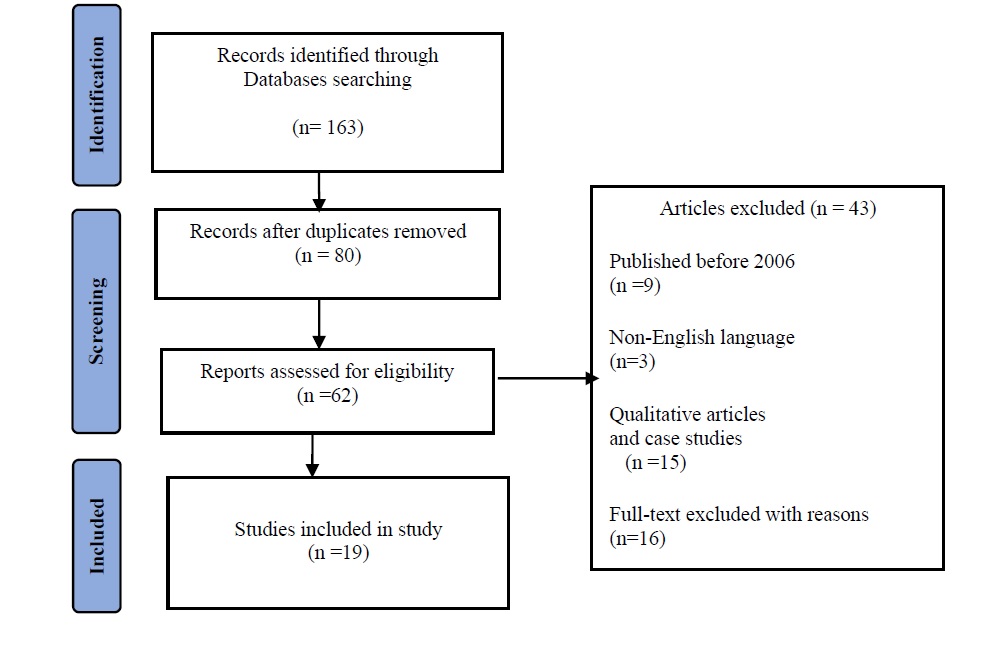
Figure 1. PRISMA Flow Diagram of the Study Selection and Screening Process
In accordance with the predefined eligibility criteria, 19 studies were included in the final review. Of these, 6 were conducted in the United States, 2 in Taiwan, 2 in Norway, 3 in the Netherlands, and 1 each in Spain, Iran, Colombia, Scotland, Australia (Sydney), Germany, Argentina, Italy, Türkiye, Sweden, and Croatia.
The included studies were reviewed in accordance with the objective of this systematic review. The findings indicated that while some factors were associated with parent-infant bonding and attachment, others demonstrated a direct influence on these outcomes. Overall, the identified associated or influencing factors could be classified into six main categories: demographic factors (4 studies), psychological factors (7 studies), cognitive factors (2 studies), physiological factors (2 studies), skin-to-skin contact (SSC) (2 studies), and attachment styles (6 studies) (Table 1).
| Refrence | Title | Age | Type of study | assessment tool | Sample size | Results | Effective factors | Associative factors |
|---|---|---|---|---|---|---|---|---|
| Bonacquisti et al, 2020 [4] | Maternal depression, anxiety, stress, and maternal- infant attachment in the neonatal intensive care unit | Eligible participant s were mothers aged at least 18 years who had given birth within the past year to infants admitted to the NICUs at the study sites. | Cross sectional | EPDS Depression Anxiety Stress Scales (DAS) * Maternal Attachment Inventory (MAI) | 127 women | According to the studies conducted in this article, it has been shown that admission to the NCU may increase the risk of psychiatric symptoms (anxiety, depression) and thus affect the infant's attachment in the NICU. | NICU admission, which heightens the risk of psychological distress, including anxiety and stress | -------------- |
| Yazdanime hr et al, 2023 [11] | The structural model of mother-infant bonding in the first pregnancy based on the mother’s attachment style and parenting style | Maternal age between 18 and 45 years and a postpartum period of 2 to 12 months | descriptive- correlationa l study | demographic questionnaire, the Attachment Style Questionnaire, the Parenting Style Questionnaire, the Mother- Infant Bonding Scale, the Reflective Functioning Questionnaire, and the Guilt and Shame Proneness Scale, | 330 women | This study examined the mediating role of shame in mentalization. The results indicated that the parent-child bond is associated with attachment style, shame, and mentalization; thus, enhancing psychological care can support vulnerable mothers | -------------- | Shame, mentalization , quality of psychological care provided to the mother, parental attachment style |
| Pan et al, 2023 [16] | Effects of a prenatal mindfulness program on longitudinal changes in stress, anxiety, depression, and mother–infant bonding of women with a tendency to perinatal mood and anxiety disorder | mother, age ≥ 20 years, and pregnancie s between 13 and 28 weeks of gestation. | randomized controlled trial(RCT)* | Postpartum Bonding Questionnaire (PBQ)*, Perceived stress scale-10, the Pregnancy- Related Thoughts Questionnaire (PRT) Edinburgh Postnatal Depression Scale (EPDS)* | 102 women | The present study aims to evaluate the impact of mental awareness intervention on depression, anxiety, stress, and, as a result, their effect on the mother-baby bond. The results include the impact of the mindfulness and awareness intervention on psychological distress and its significant effect on the quality of maternal-infant bonding. | The mental intervention of awareness carried out on the caregiver and the level of mental disorders such as anxiety, stress, and depression. | ----------- |
| Sierra- García et al, 2018 [17] | Developmental Outcomes, Attachment and Parenting: Study of a Sample of Spanish Premature Children | < 32 weeks | Cross sectional | Toddler Development III, Achenbach System of Empirically Based Assessment ASEBA, Strange Situation Procedure (SSP) | 130 children | Although prematurity poses a risk to child development, these infants may not necessarily display difficulties in attachment or development; thus, multidisciplinary interventions providing emotional, social, and cognitive support should be pursued | -------------- | Maternal stress levels, Cognitive, Language, Motor, and Socio- emotional Development al Profile, Socio- demographic Profile |
| Nordahl et al, 2020 [18] | Adult attachment style and maternal-infant bonding: the indirect path of parenting stress | The mean age of mothers was 31.0 ± 4.23 years, and the study period covered gestational weeks 31 to 41 and Mother- Infant Bonding and `Parenting from 5 to 15 Weeks Postpartum | Longitudin al Study | Parenting Stress Index – Parent Domain (PSI-PD)*, Maternal Postnatal Attachment Scale (MPAS) * Experiences in Close Relationships questionnaire (ECR)* | 168 Mothers | In this investigation, the relationship between the attachment style of the parent- child bond and the level of parental anxiety was examined, and the result was that no direct relationship was found between these two issues as a mediator. | Demographic and health information, Adult attachment style, Parenting stress | ------------- |
| Biro et al, 2017 [19] | Attachment quality is related to the synchrony of mother and infant monitoring patterns. | 12-month- old infants | eye- tracking study | SSP / areas of interest (AOIs) | 60 infants and their respective mothers | In this study, the eye-tracking data of 60 twelve- month-old infants, recorded alongside their mothers, were analyzed. The results showed that social situations reflect social and emotional experiences that influence infant- parent attachment | Infant bonding correlation social– emotional experiences | ------------- |
| Sroufe et al, 2005 [20] | Attachment and development: A prospective, longitudinal study from birth to adulthood | Both 12 and 18 months. | longitudina l study | Data were collected through caregiver interviews (and later teacher interviews), questionnaires, formal assessments, record reviews, and observations conducted in the home or laboratory settings, Dissociative Experiences Scale | 200 mothers | In this study, the role of attachment has been investigated, which is clearly related to the capacity for emotional regulation, self- reliance, social competence, and natural development. Certain patterns of attachment have far- reaching consequences | The problem of continuity, An organizational perspective on development, stress, hardship, and instability | -------------- |
| Bianciardi et al, 2023 [21] | The Mother- Baby Bond: Role of Past and Current Relationships | over 18 years old | longitudina l study | Mother-Infant Bonding Scale (MIBS)* questionnaire via telephonic interview. Devereux Scales of Mental Disorders (DSMDP) Relationship Questionnaire, State-Trait Anxiety Inventory (STAI), DAS Maternal Fetal Attachment Scale (MFAS), | 119 pregnant women | Attachment level, maternal well-being, and couple compatibility are key factors influencing the mother-child bond. This study investigated how women’s attachment styles with their parents impact their attachment relationship with their children | Education, Couple relationship, Occupation, PBI Mother Care, attachment style | --------------- |
| Deglar et al, 2018 [22] | Level of mother- baby bonding and influencing factors during pregnancy and postpartum period | The first visit occurred at a gestational age>35 weeks, and the second visit was conducted on the seventh or eighth day of the postpartum period. | cross- sectional descriptive study | Prenatal Attachment Inventory(PAI) * ,MIBS, Center for Epidemiologic Studies Depression Scale (CES-D) and Beck Anxiety Inventory (BAI) | 227 pregnant women | A negative correlation was observed between maternal anxiety/depressi on levels and postpartum mother-infant bonding. Furthermore, the results indicated that higher prenatal attachment levels were associated with stronger postnatal attachment | Level of Education, Type of family, Liveborn parity, Planned pregnancy, History of pregnancy loss, Economic status | -------------- |
| Angelhoff et al, 2018 [23] | Effect of skin- to-skin contact(SSC) on parents’ sleep quality, mood, parent- infant interaction and cortisol concentrations in neonatal care units | parents of preterm infants born <33 weeks of gestation | RCT | Mother-Infant Bonding Scale (MIBS), Emotional Availability (EA) Scale, and Ainsworth’s Sensitivity Scale /EPDS | 50 families (100 parents) | In this study, it was investigated that separation after premature birth in the NICU can be a stressful factor for parents and babies, and this article aims to investigate the effects of satisfactory sleep quality, parents' mood, parents' sensitivity, and their emotional availability on the transplant. It was between mother and child. | Sleep quality, mood, parent- infant interaction and cortisol concentration s | -------------- |
| Moore et al, 2013 [24] | Early skin-to- skin contact for mothers and their healthy newborn infants | Full-term and late preterm infants (34–36.6 weeks’ gestation) were evaluated in this study. | RCT | The Stability of the Cardio- Respiratory Interaction in Preterm infants (SCRIP) score was used, which is a composite measure of heart rate, respiratory status, and arterial hemoglobin oxygen saturation (SpO2), Infant Breastfeeding Assessment Tool (IBFAT) | 2177 participant s (mother- infant dyads) | In this study, the effects of primary ssc on mother-infant breastfeeding, as well as physiological and behavioral adaptations in the mother-child bond, were investigated | Infant heart rate, Respiratory status, Infant weight changes, Length of hospital stay, Maternal pain, post- cesarean, Maternal anxiety Maternal parenting confidence | -------------- |
| Chen et al, 2017 [25] | Effects of Father-Neonate Skin-to-Skin Contact on Attachment | Fathers aged 20 years or older/ gestational age ≥ 37 weeks | RCT | Father-Child Attachment Scale (FCAS) | 83 fathers | This study examined the positive effect of SSC intervention on fathers’ baby care behaviors. The results indicated that in the postpartum period, involving fathers in SSC can facilitate the attachment process, complementing the mother’s role | Level of education, Occupation, Family monthly income (NT), Time spent with infant during hospitalizatio n (hours) | -------------- |
| Gibbs et al, 2018 [26] | Breastfeeding, Parenting, and Infant Attachment Behaviors | Children aged 9 months to 2 years | Longitudin al Study | The Toddler Attachment Sort-45 (TAS-45) was used to assess toddler-parent attachment, specifically evaluating attachment security and temperamental dependency. | nearest 50 | Infants breastfed for six months or longer are more likely to develop secure attachment. These infants tend to utilize their caregiver as a 'secure base' for environmental exploration and a 'safe haven' for comfort during times of distress | Mother characteristic s, Birth weight, Child characteristic s, Household characteristic s | -------------- |
| Radoš et al, 2020 [27] | The role of posttraumatic stress and depression symptoms in mother-infant bonding | Aged 1–12 months. Average age of 31 years for Mothers | cross- sectional online study | City Birth Trauma Scale (City BiTS)*, EPDS, MIBS, PBQ | 603 mothers of infants | The relationship between bonding difficulties, Post- Traumatic Stress Disorder (PTSD), and depressive symptoms was investigated. Results indicated that general PTSD symptoms have both a direct effect on bonding and an indirect effect mediated through depressive symptoms. | Mother's age, Infant age (in months), Marital status, Education, Socioeconom ic status | -------------- |
| Handelzalts et al, 2021 [28] | The association of attachment style, postpartum PTSD and depression with bonding | childbirth to 6 months | longitudina l path analysis mode | City BiTS, EPDS, Demographics questionnaire | 210 postpartu m women | In this article, it has been shown that there is a relationship between PTSD symptoms and parent-baby bonding, and the baby may face bonding problems | ------------- | Birth-related symptoms, general symptoms |
| Enlow et al, 2014 [29] | Mother-Infant Attachment and the Intergeneration al Transmission of Posttraumatic Stress Disorder | gestational age < 32 (weeks), mother 18 years or older at child’s birth | Longitudin al Study | semi- structured interview | 175 females | The risk of children who have PTSD in affected parents can increase | Gender, Trauma Exposure, Attachment History, and PTSD | ------------- |
| Rane et al, 2019 [30] | Antenatal interpersonal sensitivity as an early predictor of vulnerable mother–infant relationship quality | 12 months postpartum | Longitudin al prospective study | Interpersonal Sensitivity Measure(IPS), 4-point Likert-type scale, EPDS, Mother–infant relationship quality (MIRQ) | 73 women | The obtained results show that interpersonal sensitivity and personality traits before birth can predict the tendency to suffer from maternal depression and other mental disorders and thus highlight the need for intervention. | -------------- | Country of birth, Language spoken at home, Ethnicity |
| Lehnig et al, 2019 [31] | Associations of postpartum mother-infant bonding with maternal childhood maltreatment and postpartum mental health | Infant: 2 months postpartum . Women Participant s’ age ranged from 18 to 43years | cross- sectional study | Childhood Trauma Questionnaire, postpartum depression scale, BAI | 725 women | The results indicate that a mother’s history of emotional neglect and postpartum depression are associated with postnatal maternal bonding impairment (MBI). Consequently, these factors can hinder the mother’s ability to provide optimal care for her child. | Age, Education, Marital status, Maternal childhood maltreatment, Maternal childhood maltreatment | -------------- |
| Hildingsson et al , [32] | Postpartum bonding and association with depressive symptoms and prenatal attachment in women with fear of birth | Most women were 25–35 years old. | longitudina l study | EPDS, PAI, PBQ | 172 women | Mother's mental health during pregnancy, for example, depression, fear of birth, etc., can cause negative effects on the bond between the baby and the parent | -------------- | Age groups, Marital status, Country of birth, Level of education, Parity, Depressive symptoms in mid pregnancy |
Affecting and Associative factors Demographic Characteristics
Based on the reviewed studies, the findings indicated that maternal age, maternal weight, infant birth weight, race, the number and sex of siblings, multiple births, parental educational level, socioeconomic status, and family income [ 26 ] influenced parent-infant attachment. In addition, maternal personality characteristics before childbirth [ 30 ] and infant age [ 17 ] were associated with attachment. Infant age [ 17 ] was also reported to be associated with parent-infant bonding.
Psychological Features
The reviewed studies showed that maternal stress during pregnancy, fear of childbirth, and depression [ 32 ] influenced mother-infant attachment. Furthermore, mindfulness-based interventions were associated with both mother-infant attachment and bonding [ 4 ]. Maternal stress and anxiety, as well as depressive symptoms during pregnancy and the postpartum period [ 30 , 32 ], were identified as factors influencing attachment. In addition, maternal stress and postpartum depression [ 18 ], as well as paternal anxiety, were found to influence parent-infant bonding. Conversely, maternal mental health problems [ 32 ], postpartum anxiety [ 28 ], and depression during pregnancy and the postpartum period [ 22 ] were associated with bonding.
Cognitive Factors
The reviewed studies indicated that mindfulness- based interventions were associated with both mother-infant attachment and bonding [ 4 ].
Physiological Factors
The findings suggested that parental sleep quality could influence parent-infant attachment and bonding [ 23 ]. In addition, infant sleep patterns, including frequent and prolonged nighttime awakenings, were associated with parent-infant attachment [ 24 ]. Feeding infants with breast milk was also found to be associated with both attachment [ 26 ] and bonding [ 24 ].
Skin to Skin Contact (SSC)
The reviewed studies showed that maternal skin-to- skin contact (SSC) positively influenced mother-infant bonding [ 24 ]. Similarly, paternal SSC interventions were found to promote father-infant attachment [ 25 ].
Attachment Style
According to the reviewed studies, parental attachment style was associated with both parent- infant attachment [ 21 ] and bonding [ 18 , 28 ], and was also reported to influence bonding [ 22 ] directly. In addition, the infant's attachment style was associated with parent-infant attachment [ 20 ].
Discussion
This systematic review was conducted to provide a better understanding of the factors associated with and influencing parent-infant bonding and attachment. To achieve this objective, the identified factors were examined and synthesized. The findings indicated that demographic, psychological, cognitive, physiological, skin-to-skin contact (SSC), and attachment style factors all play important roles in the development of parent-infant bonding and attachment.
Demographic Characteristics
Regarding demographic factors, infant birth weight may influence mother-infant bonding because mothers of very low birth weight (VLBW) infants often face medical and social challenges that can reduce their ability to produce an adequate milk supply (33). Furthermore, Gibbs et al. investigated the relationship between breastfeeding and attachment and reported that breastfed infants experienced greater maternal warmth and tenderness than infants who were breastfed less frequently. These findings suggest that breastfeeding practices may positively influence mother-infant bonding [ 26 ].
Premature infants are at an increased risk of disrupted mother-infant bonding [ 23 ]. Medina et al. reported that establishing a bond with a premature infant can be challenging because of the stressful NICU environment and adverse social and emotional circumstances, which may increase parental stress [ 34 ]. Consequently, premature infants show a higher prevalence of insecure attachment than full-term infants [ 30 ].
Female infants exhibit a greater hypothalamic- pituitary-adrenal (HPA) axis response than male infants [ 39 ]. Therefore, infant sex may influence the development of parent-infant attachment [ 26 ].
According to Ludwig et al., higher maternal body weight at the time of childbirth is associated with an increased risk of adverse health outcomes [ 38 ], which may, in turn, influence the development of mother- infant attachment.
Li et al. demonstrated that parental educational level plays an important role in strengthening parent-child attachment [ 39 ]. Consequently, parental education may also contribute to the quality of parent-infant bonding [ 11 ].
Ferenczi et al. (2013) reported that individuals living in countries with lower levels of security exhibited greater attachment avoidance than those living in more secure environments [ 40 ]. These findings suggest that attachment may be associated with ethnicity, cultural background, and population characteristics [ 26 ].
Finally, unstable employment, poverty, and insufficient family income may be associated with parent-child attachment. Poor socioeconomic conditions can contribute to more anxious attachment patterns, which may subsequently influence the quality of parent-infant bonding [ 26 , 22 , 20 ].
Cognitive Factors
Mindfulness-based interventions encourage parents to reflect on both their own behaviors and those of their infants across different contexts and mental states. Greater parental mentalizing capacity has been associated with higher-quality caregiving and, consequently, more secure parent-infant attachment [ 41 ]. Furthermore, mindfulness-based interventions can reduce parental anxiety and stress, thereby promoting higher-quality parent-infant bonding. However, in the study by Pan et al. (2023), the quality of parent-infant bonding was not significantly influenced by mentalization interventions [ 24 ].
Physiological Factors
According to the study by Perpétuo et al. (2023), sleep is a complex process influenced by familial, social, and biological factors. Because attachment contributes to the development of self-regulation (44), good sleep quality may positively affect parents' emotional well-being and their attachment to their infants [ 2 ]. In this regard, Witte et al. reported that improving infant sleep-wake regulation can positively influence parent-infant attachment [ 32 ].
Psychological Factors
The transition to motherhood, fear of childbirth, and adaptation to the maternal role during pregnancy and the postpartum period can contribute to depression, increased stress, and anxiety. These psychological challenges may lead mothers to perceive their relationship with their infant less positively, thereby negatively affecting mother-infant bonding [ 18 , 21 , 11 , 30 ].
Post-traumatic stress disorder (PTSD) may also develop following childbirth and is characterized by distressing psychological symptoms. The study by Radoš et al. (2020) demonstrated that postpartum PTSD has a significant impact on the quality of mother-infant bonding. Furthermore, PTSD, through its association with depressive symptoms, may also adversely affect mother-infant attachment [ 27 , 28 ]. Although no direct association has been reported between paternal anxiety and mother-infant bonding, an association has been observed between maternal postpartum depression and paternal anxiety.
According to the study by Modak et al. (2023), the close physical contact established during breastfeeding stimulates the release of oxytocin, often referred to as the "bonding hormone." Oxytocin promotes positive emotional responses, enhances trust, and facilitates the development of attachment and bonding between the mother and infant [ 44 ].
SSC
Research by Moore et al. (2012) demonstrated that, among mothers who underwent cesarean delivery, those who experienced skin-to-skin contact (SSC) reported significantly lower pain levels than mothers who were separated from their infants. Mother-infant SSC promotes the release of hormones, particularly oxytocin, which may strengthen mother-infant bonding. In addition, SSC has been associated with several beneficial physiological responses. For example, infants receiving SSC have been reported to exhibit body temperatures approximately 1°C higher, heart rates about three beats per minute higher, and increased respiratory rates compared with infants who do not receive SSC [ 24 ].
In the study conducted by Chen et al. (2017), the positive effects of paternal SSC were also investigated. The authors concluded that SSC positively influenced father-infant attachment. This effect may be attributable to oxytocin release stimulated by physical touch, warmth, and affectionate contact. Oxytocin promotes positive emotional responses, enhances feelings of calmness and satisfaction in parents, and contributes to stress reduction [ 25 ].
Attachment Style
The level of prenatal attachment is positively correlated with the level of postnatal attachment, such that stronger prenatal attachment is associated with stronger postnatal attachment [ 22 ]. Because parental attachment style influences the parent-infant relationship and provides a framework for regulating emotional states, it plays an important role in the development of parent-infant attachment and bonding [ 44 ]. According to the research conducted by Hairston et al., insecure parental attachment styles are associated with difficulties in parent-infant bonding [ 18 , 21 ].
An avoidant attachment style has been associated with greater anger, increased rejection, and weaker mother-infant bonding during the first eight weeks after childbirth [ 18 ]. Similarly, an anxious-ambivalent attachment style is characterized by heightened child- focused anxiety and has been associated with reduced bonding quality [ 45 ].
According to Sroufe et al. (2006), in addition to parental attachment style influencing bonding, the infant's attachment style may also affect the parent- infant relationship. A secure attachment style can mitigate the impact of later emotional and behavioral problems, whereas an insecure attachment style predicts subsequent developmental and psychological difficulties. Moreover, anxious attachment has been associated with numerous challenges during the preschool years. Compared with children who develop secure attachment, those with insecure attachment generally demonstrate poorer developmental outcomes and fewer adaptive skills. Consequently, the infant's attachment style may influence parent-infant interaction and bonding, as well as the child's overall development and self-regulation [ 20 ].
This review has several limitations. First, the risk of bias of the included studies was not formally assessed. Future systematic reviews should incorporate a standardized quality appraisal framework to evaluate the methodological quality of included studies and minimize potential bias. Second, the number of studies that explicitly distinguish attachment and bonding as two separate constructs is limited, which may have complicated the literature search and study selection process.
Conclusion
The findings of this systematic review indicate that parent-infant attachment and bonding are influenced by a wide range of factors, including demographic, psychological, cognitive, and physiological characteristics, as well as skin-to-skin contact (SSC) and parental and infant attachment styles. Therefore, healthcare professionals and families should consider these two important constructs to promote secure attachment and healthy bonding and to reduce the risk of subsequent emotional and behavioral disorders.
Acknowledgment
None.
Authors’ Contributions
Conceptualization: E.D.H., N.T., and M.P; Data acquisition: E.D.H. and N.T. Supervision: M.P and L.A; Formal analysis: E.D.H. and M.P.; Drafting of the manuscript: E.D.H.; Critical revision of the manuscript for important intellectual content: E.D.H. and N.T.
Funding
This research received no external funding.
Conflict of Interest
The authors declare no conflicts of interest.
References
- Saeidi R. Is Neonatal Euthanasia and End-of-Life Morally Acceptable? Iranian Journal of Neonatology. 2024 Jul 1; 15(3):1-2.
- Saeidi R. Palliative and End of Life Care for Neonates. Iranian Journal of Neonatology. 2024 Apr 1; 15(2)
- Sabagh K, Ghaljaei F. The Interventional Effect of Quiet Time Protocol on the Sleep Status of Premature Neonates Admitted to the NICU. Iranian Journal of Neonatology. 2024 Apr 1; 15(2)
- Bonacquisti A, Geller PA, Patterson CA. Maternal depression, anxiety, stress, and maternal-infant attachment in the neonatal intensive care unit. Journal of Reproductive and Infant Psychology. 2020 May 26; 38(3):297-310.
- Labrie NH, van Veenendaal NR, Ludolph RA, Ket JC, van der Schoor SR, van Kempen AA. Effects of parent-provider communication during infant hospitalization in the NICU on parents: A systematic review with meta-synthesis and narrative synthesis. Patient Educ Couns. 2021 Jul 1; 104(7):1526-52.
- Grunberg VA, Geller PA, Hoffman C, Njoroge W, Ahmed A, Patterson CA. Parental mental health screening in the NICU: a psychosocial team initiative. Journal of Perinatology. 2022 Mar; 42(3):401-9.
- Pineda R, Bender J, Hall B, Shabosky L, Annecca A, Smith J. Parent participation in the neonatal intensive care unit: Predictors and relationships to neurobehavior and developmental outcomes. Early Human Development. 2018 Feb 1; 117:32-8.
- Qafarizadeh F, Kalantari M, Ansari NN, Baghban AA, Jamebozorgi A. The effect of kinesiotaping on hand function in stroke patients: A pilot study. J Bodyw Mov Ther. 2018 Jul; 22(3):829-831.
- Bartholomew K, Horowitz LM. Attachment styles among young adults: a test of a four-category model. Journal of Personality and Social Psychology. 1991 Aug; 61(2):226-44.
- Fearon RP, Roisman GI. Attachment theory: progress and future directions. Curr Opin Psychol. 2017 Jun 1; 15:131-6.
- Yazdanimehr R, Aflakseir A, Sarafraz M, Taghavi M. The structural model of mother-infant bonding in the first pregnancy based on the mother’s attachment style and parenting style: the mediating role of mentalization and shame. BMC Psychology. 2023 Nov 16; 11(1):396.
- Lee C. Bonding. Pediatrics in Review. 2003 Aug 1; 24(8):289-90.
- Tanta KJ, Youngblood Langton S. NICU primer for occupational therapists: Exploring the needs of fragile infants, the context in which they are cared for, and the role of OT in this specialized practice area—part I of II. Journal of Occupational Therapy, Schools, and Early Intervention. 2010 Jun 14; 3(2):179-86.
- Lieberman D, Scheer J. AOTA’s evidence-based literature review project: An overview. American Journal of Occupational Therapy. 2002 May 1; 56(3):344-9.
- Moher D, Shamseer L, Clarke M, Ghersi D, Liberati A, Petticrew M, Shekelle P, Stewart LA; PRISMA-P Group. Preferred reporting items for systematic review and meta- analysis protocols (PRISMA-P) 2015 statement. Systematic Reviews. 2015 Dec; 4:1-9.
- Pan WL, Lin LC, Kuo LY, Chiu MJ, Ling PY. Effects of a prenatal mindfulness program on longitudinal changes in stress, anxiety, depression, and mother-infant bonding of women with a tendency to perinatal mood and anxiety disorder: a randomized controlled trial. BMC Pregnancy and Childbirth. 2023 Jul 31; 23(1):547.
- Sierra-García P, López-Maestro M, Torres-Valdivieso MJ, Díaz-González C, Carrasco M, Ares-Segura S, de Blas GD, Pallás-Alonso C. Developmental outcomes, attachment and parenting: Study of a sample of Spanish premature children. The Spanish Journal of Psychology. 2018 Jan; 21:E20.
- Nordahl D, Rognmo K, Bohne A, Landsem IP, Moe V, Wang CE, Høifødt RS. Adult attachment style and maternal-infant bonding: the indirect path of parenting stress. BMC Psychology. 2020 Dec; 8:1.
- Biro S, Alink LR, Huffmeijer R, Bakermans-Kranenburg MJ, Van IJzendoorn MH. Attachment quality is related to the synchrony of mother and infant monitoring patterns. Attachment and Human Development. 2017 May 4; 19(3):243-58.
- Sroufe LA. Attachment and development: A prospective, longitudinal study from birth to adulthood. Attachment and Human Development. 2005 Dec 1; 7(4):349-67.
- Bianciardi E, Ongaretto F, De Stefano A, Siracusano A, Niolu C. The mother-baby bond: Role of past and current relationships. Children. 2023 Feb 22; 10(3):421.
- Daglar G, Nur N. Level of mother-baby bonding and influencing factors during pregnancy and postpartum period. Psychiatria Danubina. 2018 Nov 23; 30(4):433-40.
- Angelhoff C, Blomqvist YT, Helmer CS, Olsson E, Shorey S, Frostell A, Mörelius E. Effect of skin-to-skin contact on parents’ sleep quality, mood, parent-infant interaction and cortisol concentrations in neonatal care units: study protocol of a randomised controlled trial. BMJ Open. 2018 Jul 1; 8(7):e021606.
- Moore ER. Early skin-to-skin contact for mothers and their healthy newborn infants. Journal of Obstetric, Gynecologic and Neonatal Nursing. 2013 Jun 1; 42:S86.
- Chen EM, Gau ML, Liu CY, Lee TY. Effects of father-neonate skin-to-skin contact on attachment: a randomized controlled trial. Nursing Research and Practice. 2017; 2017:8612024.
- Gibbs BG, Forste R, Lybbert E. Breastfeeding, parenting, and infant attachment behaviors. Maternal and Child Health Journal. 2018 Apr; 22:579-88.
- Radoš SN, Matijaš M, Anđelinović M, Čartolovni A, Ayers S. The role of posttraumatic stress and depression symptoms in mother-infant bonding. Journal of Affective Disorders. 2020 May 1; 268:134-40.
- Handelzalts JE, Levy S, Molmen-Lichter M, Ayers S, Krissi H, Wiznitzer A, Peled Y. The association of attachment style, postpartum PTSD and depression with bonding—A longitudinal path analysis model, from childbirth to six months. Journal of Affective Disorders. 2021 Feb 1; 280:17-25.
- Enlow MB, Egeland B, Carlson E, Blood E, Wright RJ. Mother- infant attachment and the intergenerational transmission of posttraumatic stress disorder. Development and Psychopathology. 2014 Feb; 26(1):41-65.
- Raine KH, Boyce P, Thorpe K. Antenatal interpersonal sensitivity as an early predictor of vulnerable mother-infant relationship quality. Clinical Child Psychology and Psychiatry. 2019 Oct; 24(4):860-75.
- Lehnig F, Nagl M, Stepan H, Wagner B, Kersting A. Associations of postpartum mother-infant bonding with maternal childhood maltreatment and postpartum mental health: a cross- sectional study. BMC Pregnancy and Childbirth. 2019 Dec; 19:1.
- Hildingsson I, Rubertsson C. Postpartum bonding and association with depressive symptoms and prenatal attachment in women with fear of birth. BMC Pregnancy and Childbirth. 2022 Jan 25; 22(1):66.
- Parker MG, Stellwagen LM, Noble L, Kim JH, Poindexter BB, Puopolo KM. Promoting human milk and breastfeeding for the very low birth weight infant. Pediatrics. 2021 Nov 1; 148(5)
- Medina IM, Granero-Molina J, Fernández-Sola C, Hernández-Padilla JM, Ávila MC, Rodríguez MD. Bonding in neonatal intensive care units: Experiences of extremely preterm infants’ mothers. Women and Birth. 2018 Aug 1; 31(4):325-30.
- Nilsson EL. Analyzing gender differences in the relationship between family influences and adolescent offending among boys and girls. Child Indicators Research. 2017 Dec; 10(4):1079-94.
- Ludwig DS, Rouse HL, Currie J. Pregnancy weight gain and childhood body weight: a within-family comparison. PLoS Medicine. 2013 Oct; 10(10):e1001521.
- Yee AZ, Lwin MO, Ho SS. The influence of parental practices on child promotive and preventive food consumption behaviors: a systematic review and meta-analysis. International Journal of Behavioral Nutrition and Physical Activity. 2017 Dec; 14:1.
- Ferenczi N, Marshall TC. Exploring attachment to the “homeland” and its association with heritage culture identification. PLoS One. 2013 Jan 23; 8(1):e53872.
- Perpétuo C, El-Sheikh M, Diniz E, Veríssimo M. Attachment to mother and father, sleep, and well-being in late middle childhood. International Journal of Environmental Research and Public Health. 2023 Feb 15; 20(4):3399.
- Perpétuo C, Diniz E, Veríssimo M. A systematic review on attachment and sleep at preschool age. Children. 2021 Oct 7; 8(10):895.
- Modak A, Ronghe V, Gomase KP, Dukare KP. The psychological benefits of breastfeeding: fostering maternal well- being and child development. Cureus. 2023 Oct 9; 15(10)
- Van IJzendoorn MH, Moran G, Belsky J, Pederson D, Bakermans-Kranenburg MJ, Kneppers K. The similarity of siblings' attachments to their mother. Child Development. 2000 Jul; 71(4):1086-98.
- Hoenicka MA, López-de-la-Nieta O, Martínez Rubio JL, Shinohara K, Neoh MJ, Dimitriou D, Esposito G, Iandolo G. Parental bonding in retrospect and adult attachment style: A comparative study between Spanish, Italian and Japanese cultures. PLoS One. 2022 Dec 1; 17(12):e0278185.
- Whitford HM, Wallis SK, Dowswell T, West HM, Renfrew MJ. Breastfeeding education and support for women with twins or higher order multiples. Cochrane Database Syst Rev. 2017; 2:CD012003.
- Achtergarde S, Müller JM, Postert C, Wessing I, Mayer A, Romer G. Attachment patterns and their relation to the development of anxiety symptoms in childhood and adolescence. Praxis der Kinderpsychologie und Kinderpsychiatrie. 2015 Jan; 64(7):496-526.

