
Introduction
Parkinson’s disease (PD) is a progressive disorder that primarily affects dopamine-producing neurons in the brain, leading to motor symptoms like tremors, slow movement, and muscle rigidity. Non-motor symptoms include cognitive decline, depression, and sleep issues. Though more common in those over 60, early-onset cases also occur. With aging populations, the prevalence of PD is expected to rise significantly in the coming years [ 1 ]. Affecting approximately 7.5 million patients worldwide, PD is a chronic brain disease that impacts body movement. Due to the aging population, this number is expected to increase to more than 9 million by 2030 [ 2 ].
The cause of PD is unknown, but it may be multifactorial. The primary treatment method for PD in different countries involves the use of anti-Parkinson drugs such as levodopa, Madopar, and Selegiline. Unfortunately, the effects of levodopa diminish over time, leading to the emergence of dyskinesia [ 3 ]. The neurological characteristic of PD is the degeneration of dopamine-producing cells in the substantia nigra of the midbrain [ 4 ]. Degeneration of 80% of these cells causes the initial symptoms of the disease. These symptoms include tremors, slowness of movements, muscle stiffness (rigidity), and postural instability caused by dopamine deficiency [ 5 ].
Postural instability is one of the most apparent symptoms of PD and a significant factor in falls among these patients, with 38% to 53% suffering from this condition. Approximately 13% of these patients experience falls more than once a week. Consequently, injuries such as hip fractures are more common in people with PD, occurring five times more frequently than in healthy individuals [ 5 ]. Reduced physical activities, self-confidence, and slowness of movements increase patients’ dependence on others for daily tasks. These activity limitations cause social isolation, leading to decreased quality of life and depression. Depression in people with PD is an inherent part of the disease and not merely a reaction to disability [ 6 ].
One of the well-known methods for treating Parkinson’s disease (PD) is rehabilitation. Studies show that exercise therapy offers more benefits in improving the performance of Parkinson’s patients than medical and surgical treatments [ 7 ]. The scientific rationale behind the positive effects of exercise programs on motor performance, managing complications, and reducing disorders and disabilities caused by the disease is based on three approaches: the positive effect of aerobic physical exercises on dopamine levels, managing disease complications through sports movements based on improving the function of the neuromuscular system and anatomical adaptation, and breaking the negative cycle of the combination of disease, aging, and inactivity through physical activity [ 8 ].
Rebound therapy exercises are a type of plyometric that includes jumping up and down, double-leg landing, single-leg landing, and various movements involving the shoulders, arms, hands, trunk, thighs, knees, and legs [ 9 ]. Rebound therapy positively increases balance, muscle strength, and vertical jump, improves overall health, and even aids injury recovery. Other benefits of this training method include enhanced protective reactions, increased proprioception, improved head control, and better posture [ 10 ]. In rebound therapy exercises, more muscles are engaged to maintain balance and body position in space and against gravity [ 11 ]. The mini trampoline is a safe and effective tool for training all body parts. The basic combination of hopping, leaping, jumping, and plyometric exercises provides a safe and health- promoting framework for training people of all ages and abilities [ 12 ].
Given the multifaceted nature of Parkinson’s disease (PD), adopting a comprehensive approach to treatment and management is essential. Research findings have shown that, in addition to pharmaceutical treatments, exercise and movement therapy as complementary methods have positively impacted the management of some disease complications and improved patients’ daily performance. Additionally, recent studies indicate that dance-based exercises may also improve quality of life and motor function in individuals with PD [ 13 , 14 ].
Studies on the positive effects of physical exercises on quality of life (QoL) and movement performance, as well as reducing problems for the elderly and sick, highlight the lack of studies on the effects of rebound therapy on PD patients. Therefore, this study aimed to investigate the effect of rebound therapy on balance and QoL in patients with PD.
Methods
This study employed a quasi-experimental design with pre-test and post-test assessments involving an intervention and a control group. The statistical sample comprised 24 individuals diagnosed with Parkinson’s disease (PD), who neurologists in Isfahan referred. Participants were selected using convenience and judgmental sampling methods and then randomly assigned to either the rebound therapy group (n=12) or the control group (n=12). Based on previous studies, the sample size was calculated using G* Power software version 3.1 with a significance level of 0.05, an effect size of 0.54, and a power of 0.80, resulting in a required sample size of 22 participants. To account for a 10% attrition rate, 24 participants were selected (Table 1).
| Week | Warm-up | The number of sessions | Description of exercises | Drop out |
|---|---|---|---|---|
| 1 | 5-10 min | 1 to 3 | Familiarization stage: During the first three sessions, attended by all subjects, while the various stages of the exercises are reviewed and the exercises are done, the level of ability of individuals to do exercises is also evaluated and recorded to be considered in the design of specific training for each subject The first session is more lying, second session sitting, and third session standing The factors of time, intensity and volume are not prioritized, and depend on the individual’s ability and are arisen merely to be familiar with the matter | 5-10 min |
| 2 | 5-10 min | 1 to 3 | Lying Exercises (Supportive): Exercises this week were done during 1 to 3 sessions of lying on the abdomen and lateral positions. The instructor was always on the trampoline next to the subject during a training exercise. The exercises began with standing positions and continued with the motions of the instructor to the trampoline surface, which allowed them to move | 5-10 min |
| 3 | 5-10 min | 1 to 3 | Independent Laying Exercises: The first session was lying on the back, with abdominal muscle contraction when up and down body movements on the trampoline. The second session: Sit up (or curl up) as long as possible and/or roll to the side while holding the ball in hand. The third session: The subject was asked to move up and down in the above situation | 5-10 min |
| 4 | 5-10 min | 1 to 3 | Sitting exercises (Supportive): First session: Merely sitting with or without the ball. The second session: Shaking creates an intervention on the trampoline surface with or without the ball (balloon). The third session: More complicated stretching movements with or without vibration (intervention) by the instructor | 5-10 min |
| 5 | 5-10 min | 1 to 3 | Independent sitting exercises: At this stage, the fourth week of exercises was done without the instructor’s support. In the second and third sessions, the subject was asked to move up and down in a sitting position or play with a balloon | 5-10 min |
| 6 | 5-10 min | 1 to 3 | Standing exercises (Supportive): Throughout the exercises of this stage, the instructor is next to the subject. The first session: Just standing on foot and with open eyes. Second session: The instructor created standing on two feet and shaking. Third session: Intervention with balloon | 5-10 min |
| 7 | 5-10 min | to 3 | Independent Standing Exercises: 6-week exercises without supportive presence Of the instructor | 5-10 min |
| 8 | 5-10 min | 1 to 3 | Combined exercises (advanced): All independent exercises: The first session: Moving up and down while walking. Second session: Playing with a balloon while walking. Third session: Drop training (sitting from the standing position and Standing up with a reactive force to the standing position) | 5-10 min |
The inclusion criteria consist of completion of the consent form to participate in the study, not being dependent on or using assistive devices, absence of diseases or physical problems that interfere with exercising (rebound therapy exercises), diagnosis of PD in stages 2 or 3 according to the Hoehn and Yahr scale by a specialist doctor, and age range of 51-71 years. Exclusion criteria include cardiovascular and respiratory problems or nervous convulsions that prevent participation in exercise, vision, and hearing (vestibular) problems, non-participation in the test stages and training sessions, and simultaneous participation in therapeutic and exercise programs during the study period.
Measuring Quality of Life: The Parkinson’s disease quality of life questionnaire (PDQL) was to evaluate the study participants’ quality of life (QoL). This widely used tool assesses QoL in patients with PD and has been validated in various countries. Originally designed by de Boer, its validity and reliability were later evaluated by Jaleh Ghaem and colleagues in 2018 [ 15 ]. The PDQL consists of 37 questions which examine QoL across four dimensions:14 questions assess Parkinson’s symptoms, seven assess systemic symptoms,nine assess emotional functioning, and seven assess social functioning.Each question is scored from 1 to 5 (with one indicating “always” and five indicating “never”). Thetotal score ranges from 37 to 185, with higher sscores indicating a higher QoL.
Static balance assessment (Single Leg Stance Test): The modified SLS Test was used to assess static balance. During this test, the participant stands on a flat surface without shoes and with open eyes. They place their hands on their waist and the non-supporting foot (preferred foot) on the inside of the knee of the supporting leg (non-preferred leg). The score is the time (in seconds) the participant can maintain this position. The stopwatch is stopped when an error occurs, such as the separation of the hands from the waist, the swaying of the supporting leg, and the separation of the non-supporting foot from the knee [ 16 ]. The best time out of three trials is recorded as the personal record (Figure 1).
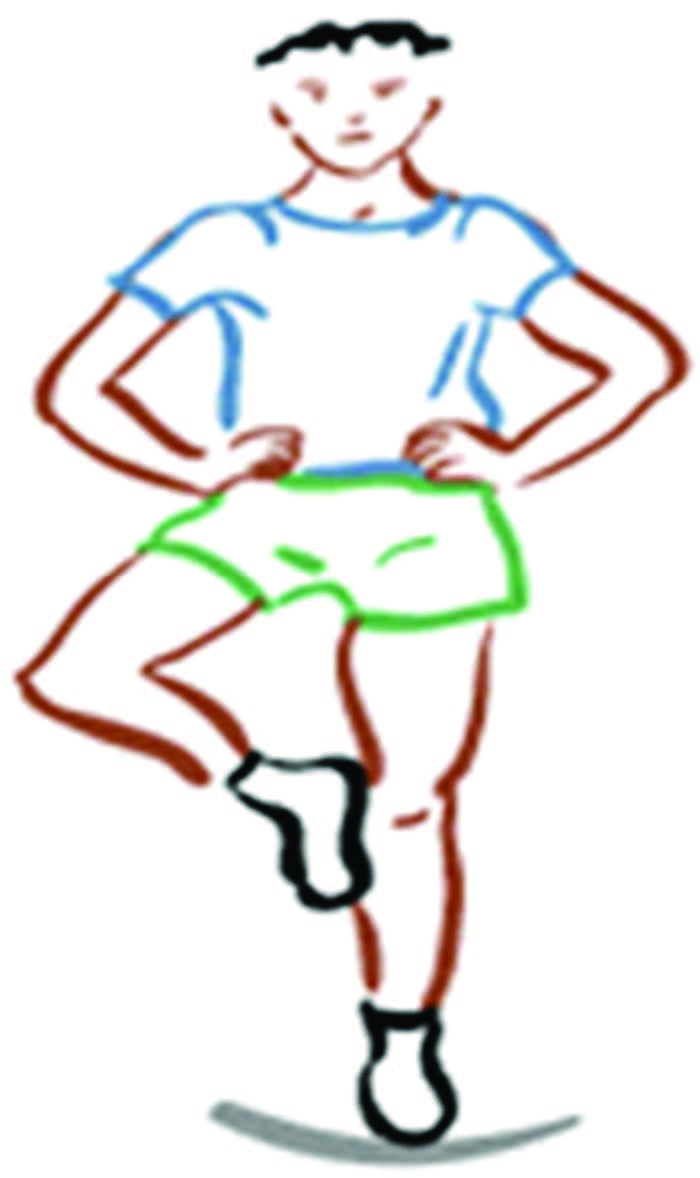
Figure 1. Single Leg Stance (SLS) Test
Dynamic balance assessment: The Y-Balance Test (YBT-LQ) was used to assess dynamic balance. The test involves measuring reach distances in three directions: anterior, posteromedial, and posterolateral, arranged in a Yshape with angles of 135°, 135°, and 90to each other, respectively. The length of the subject’s leg was measured from the lateral malleolus to the anterior superior iliac spine Subjects practiced the test four times to familiarize themselves with the procedure. They performed the test counterclockwise with the right preferred leg and clockwise with the left preferred leg. To perform the test, the subject stood with the preferred leg at the center of the Y-device. Using the non-preferred leg, the subject reached each of the three directions as far as possible without making an error (such as moving the supporting leg from the center, resting the reaching leg on the ground, or losing balance). The reach distance was measured from the center of the device to the point reached by the non-preferred leg. The subject performed the test three times for each direction, and the examiner measured the reach distance for each trial, averaged the distances, and divided by the leg length (in centimeters). The result was multiplied by 100 to obtain the reach distance as a percentage of the leg length for each direction. The composite score was calculated by summing the reach distances for all three directions and dividing by three (Figure 2) [ 17 ]. The YBT-LQ is recognized as a valid and reliable tool for assessing dynamic balance, particularly in elderly populations [ 18 ].
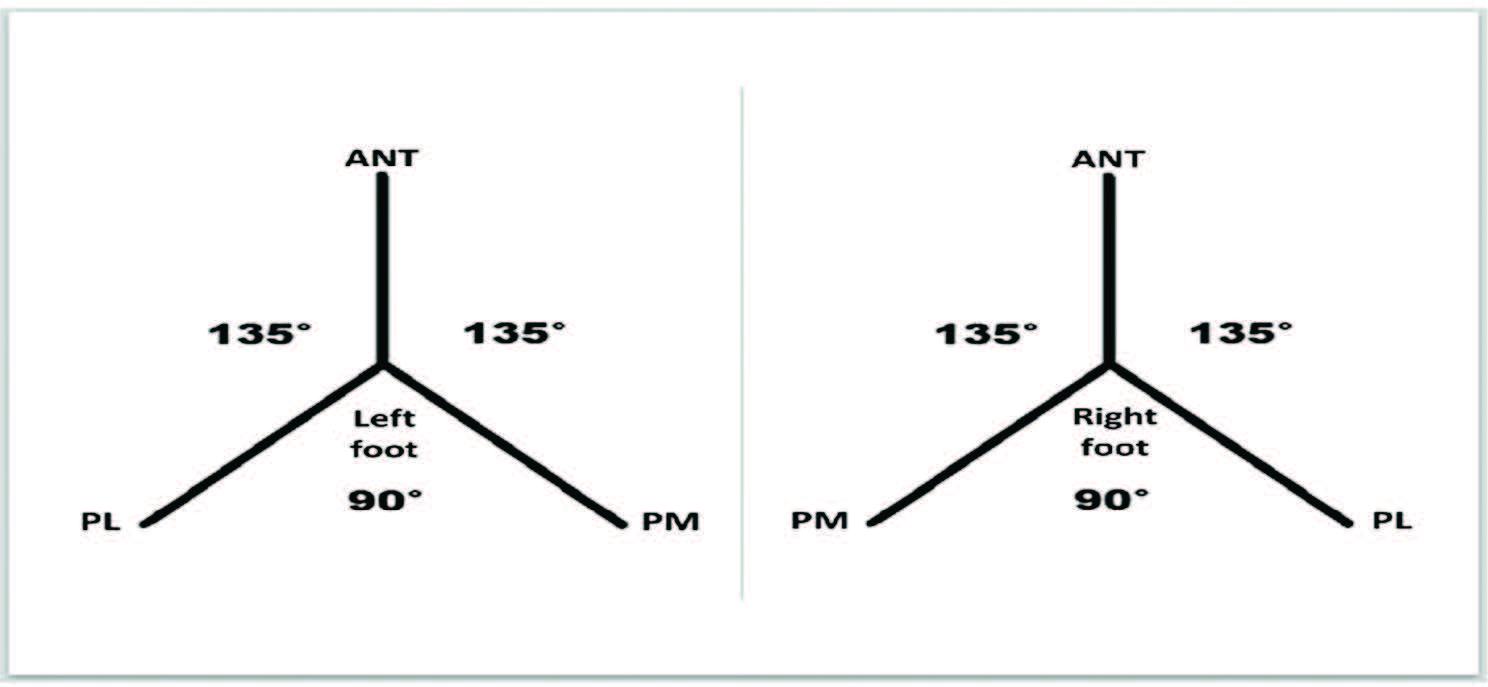
Figure 2. Schematic view of dynamic balance test
Rebound Therapy Exercises Protocol
In this study, the rebound therapy exercise protocol developed by the researcher was utilized. Patients in the rebound therapy groupparticipated in two exercise sessions per week for eight weeks. Initially, the researcher provided essential guidelines and general explanations to the patients. Any ambiguities or questions from the participants were addressed to ensure clarity and understanding.
The rebound therapy group participated in exercise sessions twice a week for one hour over eight weeks, under the supervision of a researcher and an assistant. Each session was divided into three parts: warming up, main exercises, and cooling down. Twenty minutes of each session were allocated to warming up and cooling down, with the remaining time dedicated to the main exercises. In the initial sessions, exercises were performed at low intensity with more rest periods to allow participants to familiarize themselves with the activities. After the first four sessions, the intensity was gradually increased by reducing rest periods and introducing a greater variety of movements. As the program progressed, the duration of trampoline exercises increased to approximately 40 minutes, interspersed with 1-minute breaks on the mini trampoline. The exercise program included a range of activities such as simple standing movements, standing on one foot, standing on two feet, standing with eyes open and closed, marching, jumping in place, hopping in various directions, high knees, butterfly movements, and rotations. Over time, as participants became more adept and less apprehensive, 1 kg dumbbells were introduced, and later, a ball was used to enhance agility and speed. In the early sessions, exercises were characterized by lower intensity, fewer repetitions, and longer rest periods .
Statistical Analysis Method
SPSS software version 20 was utilized for data analysis. The Shapiro-Wilk test assessed whether the data followed a normal distribution, while Levene’s test examined the homogeneity of error variances between research groups. Repeated measures ANOVA was employed to examine inter-group changes. The significance level was set at 95%, with the alpha level considered to be smaller or equal to 0.05.
Results
Table 2 details the demographic characteristics of the subjects The independent t-test results indicated no significant differences between the demographic variables of the subjects in the two groups (P≥0.05).
| Variable | Group | Mean±SD | t value | P |
|---|---|---|---|---|
| Age (years) | Control | 58±6.60 | 1.05 | 0.31 |
| Rebound | 59.41±5.43 | |||
| Height (cm) | Control | 164±6.95 | 0.89 | 0.42 |
| Rebound | 164.75±7.21 | |||
| Weight (Kg) | Control | 74.66±10.11 | 1.87 | 0.06 |
| Rebound | 73.29±7.53 |
Considering the between-group factor, the results of the Analysis of Variance with Repeated Measures test revealed a significant difference between the intervention and control groups across all variables. Furthermore, the test results indicated a significant difference in all variables within the intervention group between the pre- test and post-test. In contrast, no significant difference was observed in the control group (Table 3).
| Variable | group | pre-test | post-test | time effect | group and time interaction | group effect | ||||||
|---|---|---|---|---|---|---|---|---|---|---|---|---|
| P | F | Effect size | P | F | Effect size | P | F | Effect size | ||||
| Quality of life | Intervention | 121.00±18.84 | 129.33±17.69 | 0.001 | 55.64 | 0.75 | 0.001 | 40.80 | 0.81 | 0.008 | 61.19 | 0.77 |
| Control | 120.9±29.77 | 115.58±25.60 | ||||||||||
| Static balance (stork) | Iintervention | 5.68±4.01 | 13.72±11.35 | 0.001 | 75.30 | 0.79 | 0.001 | 32.25 | 0.80 | 0.001 | 62.79 | 0.84 |
| Control | 7.20±5.31 | 5.30±3.78 | ||||||||||
| Dynamic balance (anterior) | Intervention | 70.05±12.01 | 88.55±14.45 | 0.001 | 100.19 | 0.81 | 0.001 | 2.93 | 0.90 | 0.001 | 33.56 | 0.83 |
| Control | 73.37±16.25 | 70.10±13.62 | ||||||||||
| Dynamic balance (posterolateral) | Iintervention | 49.40±12.12 | 53.91±17.24 | 0.001 | 120.12 | 0.80 | 0.001 | 25.35 | 0.85 | 0.001 | 81.37 | 0.75 |
| Control | 59.19±13.98 | 53.81±11.51 | ||||||||||
| Dynamic balance (posteromedial) | Intervention | 55.09±14.92 | 70.42±17.7 | 0.001 | 45.40 | 0.65 | 0.001 | 97.50 | 0.86 | 0.001 | 47.19 | 0.84 |
| Control | 66.90±12.02 | 62.59±12.87 | ||||||||||
Discussion
This study investigated the effect of eight weeks of rebound therapy on balance and quality of life in patients with Parkinson’s disease. The results demonstrated that rebound therapy exercises significantly improved the quality of life and the static and dynamic balance of individuals with Parkinson’s disease after the eight-week intervention.
The findings regarding static and dynamic balance are consistent with previous research on the effects of trampoline exercises. For example, studies have shown that trampoline exercises can positively impact balance, as seen in female athletes, which aligns with our results [ 20 ]. Additionally, multiple balance tests, including the Single Leg Stance Test and gait and pull test items from the UPDRS, have been identified as effective for assessing postural stability in Parkinson’s patients [ 21 ]. Furthermore, recent research by Piyabongkarn et al. indicated that a structured trampoline training program significantly enhances balance and mobility in older adults, reinforcing the validity of our findings [ 22 ].
The nature of the rebound therapy exercise protocol is inherently active, involving repetitive movements performed at a low to moderate intensity. This characteristic of rebound exercises contributes to increased muscle temperature [ 10 ]. Scientific reports suggest that elevated muscle temperature has several beneficial effects, including reduced muscle and ligament stiffness, enhanced sensitivity of neural receptors, improved neural network guidance, increased glycogenolysis and glycolysis, and more efficient use of high-energy phosphates while facilitating waste removal from the body [ 23 ].
One possible mechanism through which rebound therapy improves balance is through the repetition of movement patterns combined with weight-bearing exercises. The findings of this study are consistent with earlier research. For example, Smith et al. reported that a 10-week rebound therapy program significantly enhanced postural stability and balance in older adults at risk of falling, emphasizing the benefits of dynamic movements paired with resistance training [ 24 ], Similarly, Miklitsch et al. reported that mini-trampoline training led to increased balance [ 25 ].
Trampoline movements stimulate unsustainable and unstable impulses, creating a unique environment challenging balance. Using variable surfaces, such as trampolines, disrupts balance and enhances sensory stimulation between the skin and joints, leading to increased balance reactions due to the activation of body positioning mechanisms [ 26 ]. Moreover, Chen et al. highlighted that such dynamic environments not only improve balance but also foster adaptive responses in proprioception, further supporting our findings [ 27 ]. One potential reason for the observed improvement in balance from trampoline exercises in this study may be attributed to the increased strength of the lower limb muscles following participation in the exercise sessions. Early gains in strength during the initial weeks of exercise are often linked to adaptations in the nervous system. As previously noted, the strength of muscles surrounding and acting on the joints, their co-contraction for joint stabilization, proprioceptive receptor activity, and neuromuscular control are crucial for maintaining balance during activities such as reaching and maximizing distance. Dynamic balance, a key component for trampoline exercises, is essential for maintaining balance during landings. As the difficulty of trampoline exercises increases, the demand for balance maintenance also rises. Consequently, the neuromuscular system is challenged to sustain balance, contributing to improved dynamic balance [ 28 ].
Additionally, the rebound exercises offer a flexible surface that absorbs force, reducing pressure on the body and lowering the risk of injury. This reduced impact on the joints enhances safety and decreases the likelihood of vulnerability [ 29 ].
Therefore, from this perspective, rebound exercises may offer notable patient advantages. These exercises can enhance adherence and motivation due to their engaging nature and reduced fatigue. The attractiveness of rebound exercises stems from their high mobility, coupled with their lower fatigue levels—thanks to their effects on the lymphatic system—making them appealing [ 10 ].
In addition to their physical benefits, rebound exercises can improve mental health, fostering positive feelings and boosting self-confidence. This positive impact on mental well-being can significantly enhance quality of life [ 30 ]. Although motor symptom severity undoubtedly affects the quality of life in patients with Parkinson’s disease, our findings suggest that depressive symptoms may have an even greater influence on quality of life than severe motor symptoms. This observation indicates that depression and psychological adjustment to disability could impact the quality of life more profoundly than the severity of motor symptoms alone [ 31 ].
The results of this study regarding quality of life (QoL) align with findings from several other studies. For instance, Sadeghi et al. investigated the effects of rebound therapy and aerobic exercises on individuals with asthma. They found a significant improvement in QoL among those in the rebound therapy group [ 16 ]. Similarly, Mansouri et al. compared rebound therapy and physioball exercises in children aged 6 to 12 with spastic cerebral palsy and concluded that rebound therapy notably improved the QoL of these children [ 32 ]. Additionally, Natália et al. found that combined exercise approaches significantly enhanced QoL in patients with Parkinson’s disease [ 33 ].
From a cognitive perspective, cheerful, intimate, and warm sports environments can alleviate pressures and conflicts. The dynamic nature of sports activities, which involves an interactive relationship between the individual and their environment, can boost morale, enhance self- image, and build self-confidence. These factors likely contribute to the observed QoL improvements [ 17 ]. Furthermore, as depressive symptoms are reduced and the physical condition improves, QoL is also expected to improve. This rationale helps to explain the positive outcomes observed in this study.
One of the influential factors in this study was the use of medication to manage Parkinson’s disease in patients. Throughout the research, all participants were prescribed the same medications as recommended by a consulting neurologistAnother factor was the gender of the participants. Due to the limited number of available subjects and the specific inclusion criteria, both male and female patients with Parkinson’s diseasewere included in the study. Additionally, to ensure the applicability of the research, the study focused on patients with disease severity levels 2 or 3 on the Hoehn and Yahr scale, based on consultation with the neurologist.
Conclusion
In summary, this study’s results indicate that an eightweek rebound therapy exercise program significantly enhances dynamic balance, static balance, and quality of life in patients with Parkinson’s disease.
Conflict of Interest
None declared.
References
- Kalia LV. Parkinson’s disease. Lancet. 2015; 386(9996):896-912.
- Pringsheim T, Jette N, Frolkis A, Steeves TD. The prevalence of Parkinson’s disease: A systematic review and meta-analysis. Mov Disord. 2014; 29:1583-90.
- Hirsch MA, Farley BG. Exercise and neuroplasticity in persons living with Parkinson’s disease. Eur J Phys Rehabil Med. 2009; 45: 215-29.
- Albin RL, Frey KA. Initial agonist treatment of Parkinson disease: A critique. Neurology. 2003; 60(3): 390-4.
- Hirsch MA, Maitland CG, Rider RA. The effects of balance training and high-intensity resistance training on persons with idiopathic Parkinson’s disease. Am J Phys Med Rehabil. 2003; 84(8): 1109-17.
- Schenkman M, Hall D, Kumar R, Kohrt WM. Endurance exercise training to improve economy of movement of people with Parkinson disease: Three case reports. Phys Ther. 2008; 88(1):63-76.
- Riddell AL, Alberts JL. Forced not voluntary, exercise improves motor function in Parkinson’s disease patients. Neurorehabil Neural Repair. 2009; 23(6): 600-8.
- Rodrigues de Paula F, Teixeira-Salmela LF, Coelho de Morais Faria CD, Rocha de Brito P, Cardoso F. Impact of an exercise program on physical, emotional, and social aspects of quality of life of individuals with Parkinson’s disease. Mov Disord. 2006; 21(8):1073-7.
- Sadeghi M, Ghasemi G, Karimi M. Effect of 12-week rebound therapy exercise on static stability of patients with spinal cord injury. J Sport Rehabil. 2019; 28(5):464-7.
- Ghasemi GA, Rahimi N, Tahmasebi RK. The effects of rebound exercises on health-related physical fitness in educable children with mental retardation. Sadra Med Sci J. 2016; 4(4):231-244.
- Rinne MB, Pasanen ME, Miilunpalo SI, Oja P. Test-retest reproducibility and inter-rater reliability of a motor skill test battery for adults. Int J Sports Med. 2001; 22(3): 192-200.
- Malkia E, Impiviara O. Intensity of physical activity and respiratory function in subjects with and without bronchial asthma. Scand J Med Sci Sports. 1998; 8: 27-32.
- Hackney ME, Earhart GM. Dance-based exercise for individuals with Parkinson’s disease: A randomized controlled trial. Neurorehabil Neural Repair. 2020; 34(4):344-53.
- Mirelman A, Maidan I, Herman T, et al. Effects of structured exercise on cognitive function and quality of life in people with Parkinson’s disease: A systematic review. Movement Disord. 2022; 37(5):841-56.
- Ghaem H, Bohani Haghighi A, zaighami B, Dehghan A. Validity and reliability of Persian version of Parkinson’s Quality of Life Questionnaire. Journal of Kerman Medical Sciences. 2010; 16(1): 49-58.
- Sadeghi M, Ghasemi GH, Zulaktaf V, Mira Alaei A, Salehi M. The effects of rebound therapy and aerobic training on aerobic capacity, plasma endotheline level and the quality of life in male patients with asthma. Research in rehabilitation scie. 2013; 8(4):1-10.
- Hosseini Sisi SZ, Sadeghi H, Nabavi SM. The effect of eight weeks of rebound therapy and pilates training on static and dynamic balance of men with multiple sclerosis. Advances in Environmental Biology. 2013; 7(13):3-4290.
- Cody L. Sipe,Kevin D. Ramey,Phil P. Plisky,and James D. Taylor. Y-Balance Test: A Valid and Reliable Assessment in Older Adults. J Aging Phys Act. 2019; 27(5): 663-9. DOI
- Daneshvar P, Ghasemi GH, Zolaktaf V, Karimi MT. Comparison of the effect of 8-week rebound therapy-based exercise program and weight-supported exercises on the range of motion, proprioception, and the quality of life in patients with Parkinson’s disease. Int J Prev Med. 2019; 10: 131. DOI
- Cheraghi S, Taadibi V, Heydarian M. Effects of trampoline exercises on static and dynamic balance and agility in female athletes. Poster presented at: 4th National Conference on Sports Science; 2014; Shahid Beheshti University; pages 1-2.
- JV Jacobs, F B Horak, V K Tran, JG Nutt. Multiple balance tests improve the assessment of postural stability in subjects with Parkinson’s disease. J Nrurol neurosurg Psychiatry. 2006. DOI
- Piyabongkarn D, Khaekhun S, Suwansarakum C. Effects of trampoline training on balance and mobility in older adults: A randomized controlled trial. J Aging Phys Act. 2023; 31(2):123-130.
- Perrier ET. The effects of static and dynamic stretching on reaction time and functional status in a countermovement jump. 2009.
- Smith J, Johnson L, Williams P. Effectiveness of rebound therapy on balance in older adults: A randomized controlled trial. Journal of Geriatric Physical Therapy. 2021; 44(3):145-51.
- Miklitsch C, Krewer C, Freivogel S, Steube D. Effects of a predefined mini-trampoline training programme on balance, mobility and activities of daily living after stroke: a randomized controlled pilot study. Clin Rehabil. 2013; 27(10): 939-47.
- Seymen E, Yüksel O, Türker A. The effect of mini trampoline exercises on women’s physical fitness parameters. International Journal of Education Technology and Scientific Researches. 2023; 8(23):1394-1419.
- Chen Y, Liu X, Yang J. The impact of dynamic exercise environments on proprioception and balance in older adults. Front Aging Neurosci. 2023; 15:456.
- Hamdollah Farhadi H, Bashiri M. Effect of six week strength and plyometric training on dynamic balance of male athletic students. Research in Rehabili Sci. 2018; 2: 215-24.
- Graham E. The effect of rebound therapy on muscle tone [Unpublished Master thesis]. Leeds Metrop Univ. 2006; 4:1-57.
- Sz. Yan wu, Tsu-Kung Lin, Chien-Yn Pan,Chia-Liang Tsai. The predictive relationships between advanced dynamic balance and physical activity/quality of life in Parkinson’s disease. Hum Mov Sci. 2023; 89:103076. DOI
- Mustofa K, Mostafijur R, Ehsanur R, Md. Sahnawaz S, Saruar Hossain B. Effectiveness of Rebound Therapy along with Conventional Physiotherapy for Muscle Tone Management in Children with the Cerebral Palsy. International Journal of Medical Research and Health Sciences. 2019; 8(6): 88-98.
- Mansouri S. Comparison of the effect of rebound therapy and physioball exercises on children aged 6 to 12 years with spastic cerebral palsy [master’s thesis]. Isfahan: Faculty of Physical Education and Sports Sciences, Isfahan University; 2013.
- Natália MB, Isabela AA, Luana BL, Cyntia LB, Hevely BC, Alessander D, et al. The Effect of an exercise-based Intervention on the quality of life of patients suffering from Parkinson’s Disease: Prospective Study. J Yoga Phys Ther. 2014; 4(4):2157-7595. DOI


