
Introduction
Working memory is one of the most critical cognitive processes in the brain [ 1 ]. Since working memory is related to the quick retrieval of small pieces of available information, it greatly influences the quality of human life [ 2 ]. Encoding working memory occurs in a complex way and involves different brain regions. The most important of which is the prefrontal cortex (PFC). As a central area in the brain, the PFC plays a key role in processing higher brain functions, especially working memory [ 3 , 4 ]. It is involved in encoding, updating, and maintaining internal representations of working memory [ 5 ]. There also appears to be a functional difference between the left and right PFC: verbal working memory is associated with the left PFC, while spatial working memory is related to the right PFC [ 6 ].
Many factors can affect working memory, including vitamin D level [ 7 ], sex hormones [ 8 ], and physical activity [ 9 ]. Among these, changes in brain temperature are particularly significant [ 10 , 11 ]. Although the average physiological temperature of the brain under normal conditions is about 37 °C [ 12 ], its optimal performance occurs at a temperature of 32-35°C [ 13 ]. Studies have shown an inverse relationship between brain temperature and working memory. As brain temperature increases, planning, problem-solving, and working memory capabilities decrease [ 14 , 15 ]. Specifically, the capacity for working memory and recognition is negatively impacted by a rise in brain temperature [ 16 , 17 ]. Whenever cell death occurs, brain temperature can increase up to 43 degrees [ 12 ], and in severe cases, up to 50 degrees Celsius [ 18 ], leading to reduced neuronal activity and impairing working memory [ 12 ].
Impaired working memory can affect planning, decision-making, organization, and daily activities, which require formulating mental plans at a specific time and location [ 2 , 19 ]. The PFC is crucial for cognitive functions [ 3 , 4 ] and is often disrupted in many central nervous system disorders, such as Alzheimer’s disease [ 20 ], Parkinson’s disease [ 21 ], multiple sclerosis (MS) [ 22 ], traumatic brain injury (TBI) [ 23 ], and depression [ 24 ]. Dysfunction in the PFC can lead to disruptions in neuronal activity and axonal integrity, consequently affecting working memory [ 18 , 25 , 26 ].
One mechanism related to PFC dysfunction in various diseases is an increase in brain temperature [ 27 ]. Therefore, reducing brain temperature in the PFC may improve working memory in many patients. It’s also possible to enhance the working memory capacity of healthy people and increase their quality of life.
Several studies have been conducted in this field. Gaoua et al. indicated that cooling the head with an ice pack can lead to improved attention and increased working memory capacity [ 17 ]. Emiko Imai et al. pointed out the positive effect of neck cooling on working memory capacity and sustained attention [ 28 ]. Kevin Jackson and colleagues showed that secondary cognitive damage, especially working memory deficit caused by brain disorders, can be reduced using a head and neck cooling strategy [ 29 ]. However, these studies had some limitations regarding the tools and temperatures used. Although it was necessary to keep the brain temperature constant, the tools applied to cool the brain could not achieve this. According to the studies, using a safe temperature of about 34°C was very important, but this was not specified in the studies mentioned above. Moreover, no specific area was targeted for cooling the brain; instead, it was cooled generally. Therefore, the research question in the present study was formulated to address these challenges. By applying the appropriate tool and temperature and targeting a specific region of the brain cortex (PFC), the current brain cooling device was developed to evaluate the cooling effect on the working memory of healthy volunteers.
Materials and Methods
Experimental Design
The study was conducted between April 2022 and June 2022 in Shiraz city. Twenty-six people enrolled in the study, but six were excluded: two for not meeting the inclusion criteria regarding their age, two for suffering from fever, and two for having a head injury. After documenting demographic information, the participants’ non-verbal intelligence was examined using Raven’s cognitive matrices test. This study was a phase II, randomized, controlled trial where participants were randomly divided into two groups through simple randomization in a 1:1 ratio. Numbers 1 to 20 were written on papers of the same size, folded, and placed in a basket. After participants agreed to participate, a number was randomly drawn from the basket. If the number drawn was even, the participant was placed in the intervention group, and if it was odd, the participant was placed in the control group. The numbers drawn were used as the participants’ codes in subsequent study phases (Figure 1). The intervention group received real cortical thermal stimulation, while the control group received sham stimulation. Four 30-minute frontopolar cortical cooling interventions were performed over the four days of the experiment. The working memory test was conducted before and after the first session (single session of frontopolar cooling) and after the fourth session (four-session effect of frontopolar cooling).
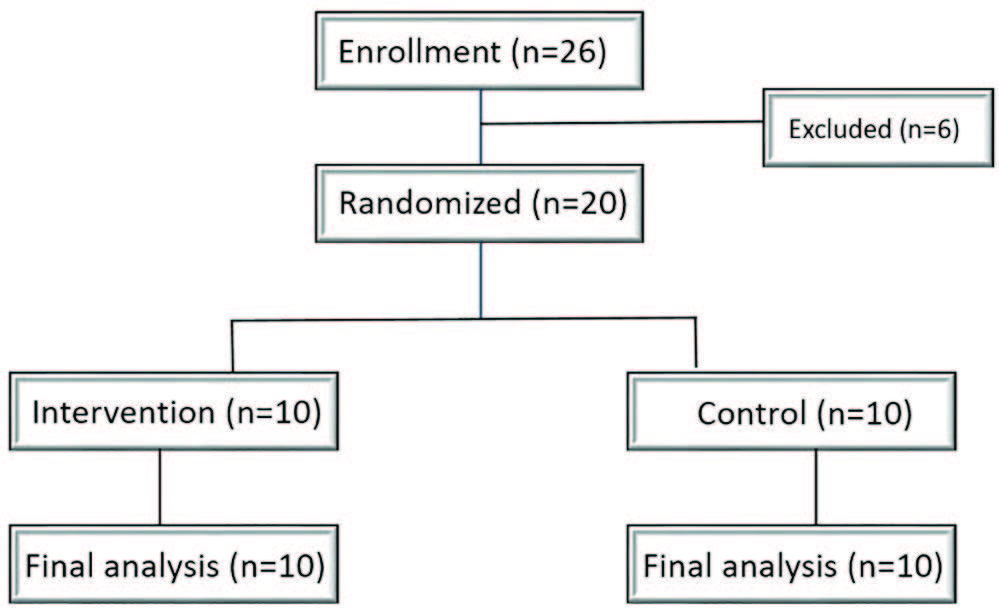
Figure 1. RCT flowchart
The Spatial Working Memory (SWM) test from the Cambridge Neuropsychological Test Automated Battery (CANTAB) was administered to the participants in sessions 1 and 4 (Figure 2).
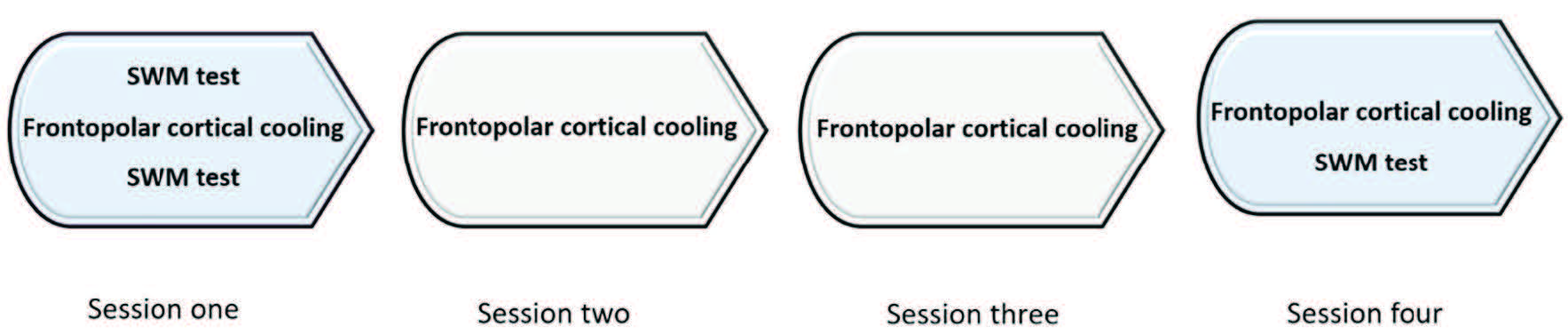
Figure 2. Study protocol. *Spatial Working Memory (SWM)
Participants
After posting announcements in two Shiraz locations, referrals were randomly assigned to two groups— intervention and control—for sampling purposes. This study was single-blind, meaning the participants were not aware of which group they were in. Twenty healthy adults, comprising 12 women and eight men aged 18-40 (mean age 30.76±4.3 years), who lived in Shiraz city and scored above 90 on Raven’s progressive matrices, were included in the study. The exclusion criteria were a history of cognitive impairment, head trauma, neuropsychological disorder, fever, drug abuse, and alcoholism. Before being asked to sign a written consent form, participants were explained the study methodology, objectives, safety precautions, participant role, and assurance of confidentiality. Additionally, participants were informed that they could leave the research at any time if they chose to stop cooperating. The study was approved by the Ethics Committee at Shiraz University of Medical Sciences (ethics number IR.SUMS. REC.1400.734; 22303) and was registered with the IRCT under registration number IRCT20220904055869N1.
Frontopolar Cortical Cooling
The current research utilized a Cortical Thermal Stimulation Device (CTSD) developed in the Department of Neuroscience at Shiraz University of Medical Sciences. The CTSD comprises a headband, a metal case (29 x 21 x 8 cm), a tube, a 5.5-inch LCD, and three temperature sensors. Each sensor has a specific function: the first measures room temperature to ensure uniform conditions for all participants, the second monitors participants’ body temperature to exclude those with fever, and the third, the main sensor, controls the temperature of the headband.
Technically, the CTSD incorporates four Peltier thermoelectric cooler modules, two radiators, one solid- state relay (SSR), three temperature sensors, and four fans. The sensors and a mercury thermometer were placed in still water at various temperatures. The output of the temperature sensors and mercury thermometer data were recorded at multiple temperature points, and the linear equation for the difference between reference and sensor measurements was calculated. This equation was used in programming the microcontroller.
The device operates based on the circulation of water and alcohol through a closed loop. Once the desired temperature and duration are set via the user-friendly menu, reaching the target temperature takes 3 to 5 minutes before cortical thermal stimulation begins. A Proportional-Integral-Derivative (PID) loop controls the closed-loop liquid temperature to maintain the set temperature with a tolerance of ±0.5°C. If heating or cooling is required, the coolers can function as heaters or coolers by changing polarity using the SSR. The liquid temperature is initially detected by the sensor and adjusted by the coolers or heaters to achieve the desired temperature. The SSR ensures temperature stability by alternating between heaters and coolers to prevent fluctuations. For the user interface, a high-speed Cortex M7 processor, designed by ARM Company, is used to manage animations and advanced graphics (Figure 3).
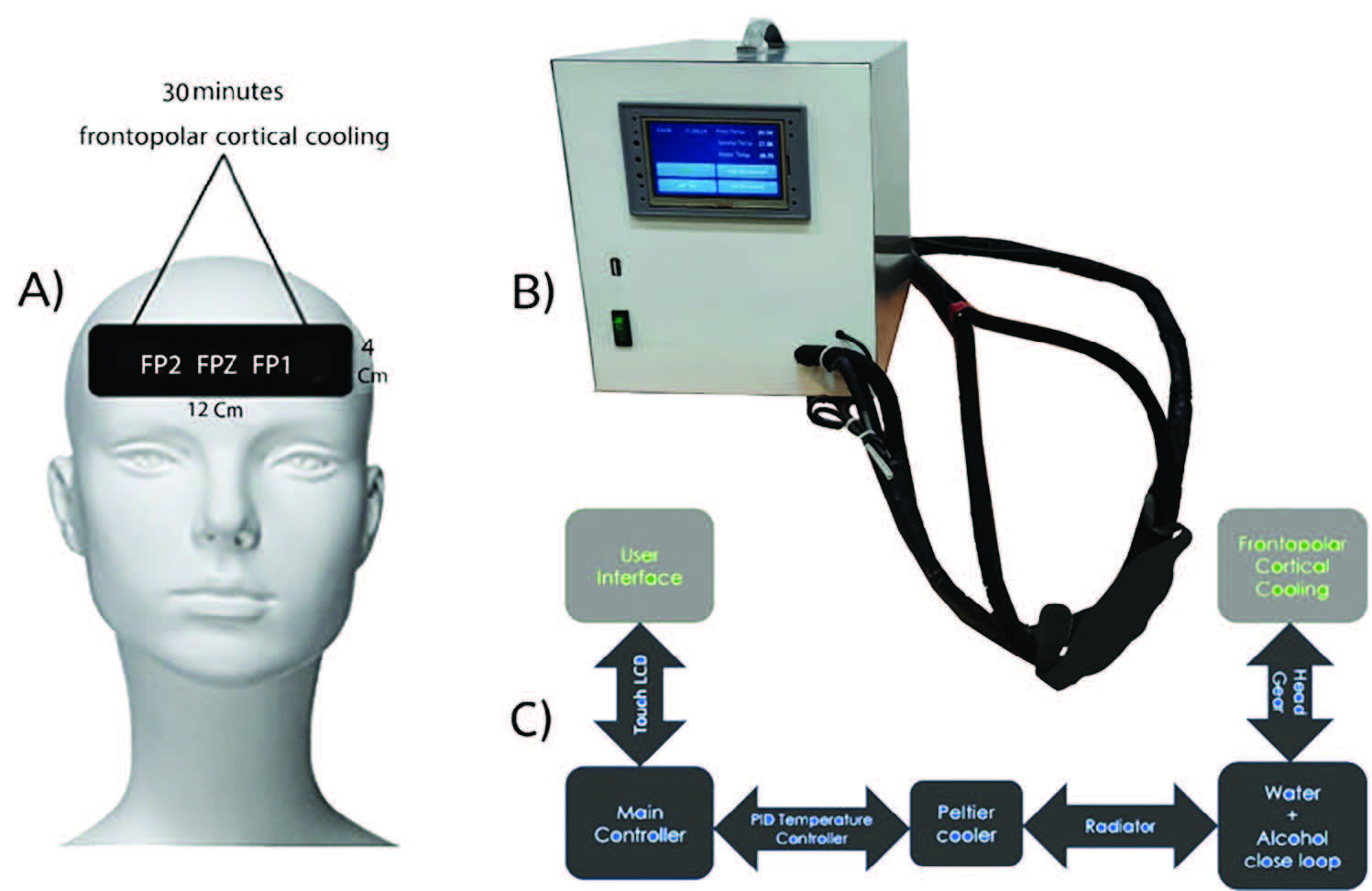
Figure 3. A shows the headband size, how to wear it on the forehead, and the desired temperature in the present study (A). B demonstrates an overview of the components, including the headband, the device’s LCD, and the information displayed. The technical components of the device, coolers, sensors, and radiators, as well as how these components work together, are summarized in (C).
Raven Progressive Matrices
Raven’s Progressive Matrices were employed to assess participants’ intelligence quotient (IQ) through problem- solving, learning, and observational skills. The test utilized the conventional version, consisting of five sets (A to E), each containing twelve items. The difficulty of the items increases progressively, with the final items being more challenging [ 30 ].
Automatic Cambridge Neuropsychological Test Battery (CANTAB)
The Cambridge Neuropsychological Test Automated Battery (CANTAB), developed at Cambridge University, is one of the most reliable and widely used tools in cognitive research, with notable validity [ 31 ]. The tests included in CANTAB are highly sensitive, accurate, objective, and linked to neural networks [ 32 ].
The Spatial Working Memory (SWM) test from the CANTAB battery assessed working memory. This test evaluates the ability to use spatial information and executive functions. During the SWM test, a series of boxes are displayed on the screen, and the participant must remove them in a specific sequence. A blue mark is placed under one of the boxes, and the participant must locate this blue mark under the box and then use a strategy to avoid returning to boxes that previously contained the blue mark [ 31 ] (Figure 4).
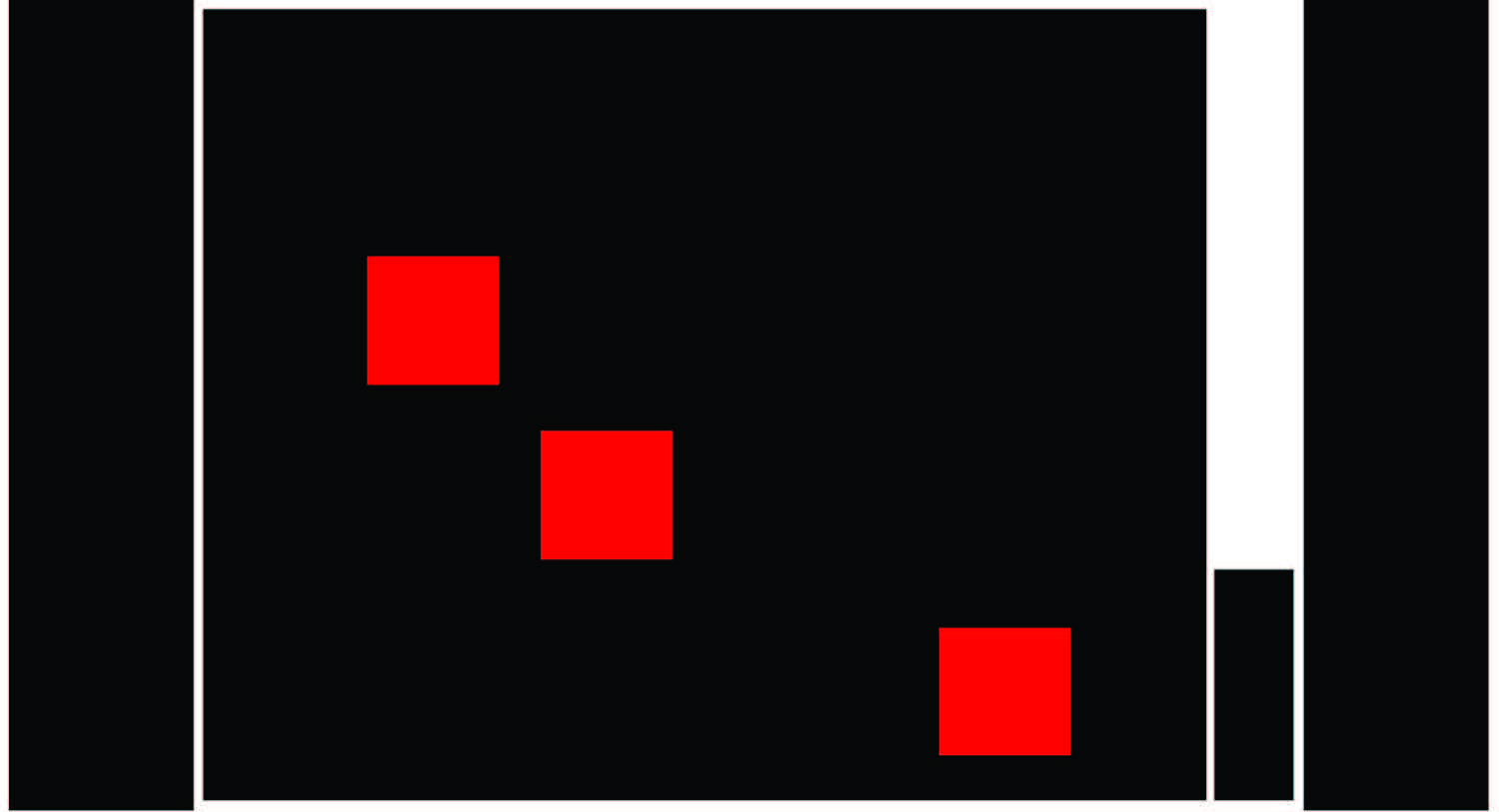
Figure 4. The SWM test
The outcome measures include errors and strategy. Errors refer to the number of times a participant selects boxes that previously contained the blue mark or those previously shown to be empty. Strategy refers to the number of plans a participant uses to complete the task. Fewer strategies used indicate that the participant’s strategies were more targeted and accurate [ 31 ].
Data Analysis
SPSS statistical software (version 22.0.0) was used for data analysis. Descriptive statistics (including skewness and kurtosis, histogram, and Q-Q plot) and the Shapiro-Wilk test were employed to assess the normal distribution of the data. Descriptive statistics (mean±SD, gender frequency) were used to report demographic data. The independent sample t-test was applied to compare the number of educational years and Raven’s Progressive Matrices scores between the two groups. The non- parametric Mann-Whitney U test was utilized to compare the mean age of the two groups. ANCOVA was employed to examine the effect of frontopolar cortical cooling on working memory and to identify significant differences between the groups (both groups were tested on working memory before and after the intervention). Effect size was included in the inferential statistics presented in Tables 1 and 2. Differences were considered significant at the P<0.05 level.
| Control group(n=10) | Intervention group (n=10) | P value | Point Estimate | |
|---|---|---|---|---|
| Mean age (Mean/SD) | 30.27±3.81 | 31.25±4.79 | 0.51 | -0.15 |
| Gender (M/F) | 4/6 | 4/6 | ||
| Education (Mean/SD) | 15.38±1.98 | 15.43±2.17 | 0.81 | 0.024 |
| Raven’s progressive matrices | 121.32±2.92 | 121.16±2.17 | 0.77 | -0.062 |
| M: Male; F: Female; SD: Standard deviation | ||||
| SWM test | F/ P value | Mean±SEM | Partial Eta squared | 95% Confidence Interval for Difference | ||
|---|---|---|---|---|---|---|
| Control | Intervention | Lower Bound | Upper Bound | |||
| After one session | F=5.64 / P=0.03 | 9.7±1.42 | 7.10±0.92 | 0.249 | 0.103 | 1.732 |
| Between errors strategy | F=4.84 / P=0.04 | 3.0±0.76 | 2.6±0.42 | 0.222 | 0.038 | 1.794 |
| After four sessions | F=10.02/ P=0.006 | 9.5±1.36 | 6.0±0.95 | 0.371 | 0.636 | 3.178 |
| Between errors strategy | F=13.85/ P=0.002 | 2.9±0.60 | 2.0±0.39 | 0.513 | 0.670 | 2.003 |
| SEM: Standard error of the mean; SWM: Spatial working memory | ||||||
Results
All participants completed the study. Table 1 shows the demographic data and Raven’s progressive matrices. The spatial working memory (SWM) test was utilized to examine the working memory selected from the CANTAB module.
Working Memory Results
The SWM Results After Single-session Frontopolar Cortical Cooling
The results of the SWM test demonstrated that the intervention group made fewer errors and developed better strategies for performing the test. Significant differences were observed in both error rates (F=5.64, P=0.03) and strategy use (F=4.84, P=0.04).
The SWM Results After Four-session Frontopolar Cortical Cooling
The results revealed that four sessions of frontopolar cortical cooling had a positive effect on spatial working memory, with a significant reduction in the number of errors in the intervention group (errors: F=10.02, P=0.006; strategy: F=13.85, P=0.002).
The effect of single-session and four-session frontopolar cortical cooling
The analysis of the results from the two groups, based on the ANCOVA test, showed that frontopolar cortical cooling enhanced working memory in the intervention group. Significant improvements were observed after one session and four sessions of frontopolar cortical cooling, with the extent of these improvements being greater after the four-session regimen (Figure 5).
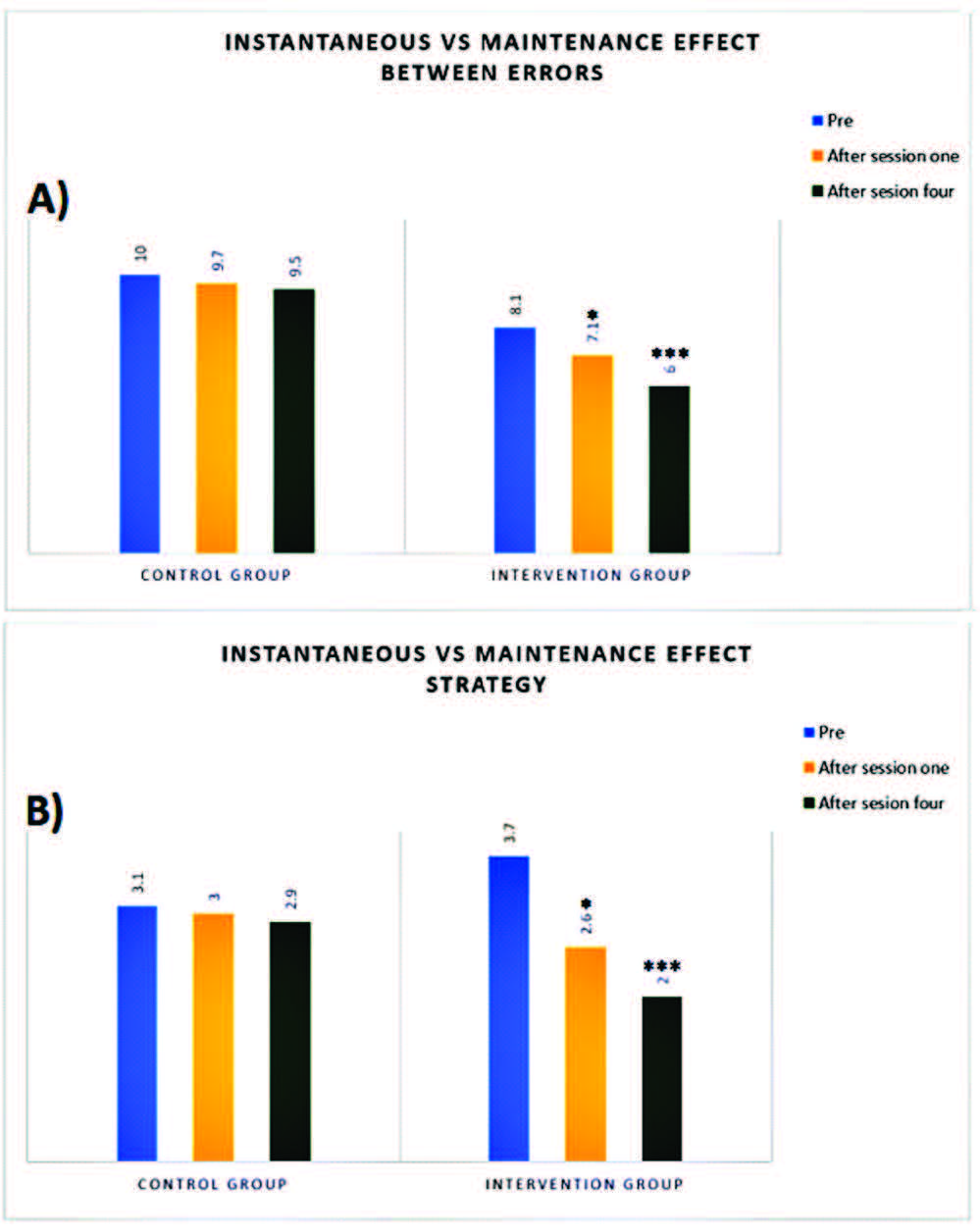
Figure 5. The graph shows a significant reduction in error in the Spatial Working Memory (SWM) test in the intervention group compared to the control group; the power of this reduction after four sessions of frontopolar cortical cooling is more than one session (A). The graph indicates that the intervention group used a more targeted strategy than the control group in the SWM test; this difference is shown even more after four frontopolar cortical cooling sessions than in one session.
Discussion
The present study aimed to investigate the effectiveness of frontopolar cortical cooling on the working memory of healthy individuals. The results demonstrated the positive effects of frontopolar cortical cooling on working memory. One of the most significant factors involved in brain disorders is brain temperature, which has garnered considerable attention, particularly in recent clinical studies [ 33 ]. Various studies have evaluated the effects of cooling on cognitive functions, especially working memory, with mixed results.
Shibasaki et al. indicated that cooling the face and head with an ice pack did not improve cognitive processes [ 34 ]. Conversely, Nur Shakila Mazalan et al. demonstrated that head cooling and precooling with crushed ice could enhance cognitive functions, including working memory [ 35 ]. However, it is crucial to note that cooling with ice is not a precise method, and these studies did not target specific brain areas, resulting in generalized cooling of the entire brain. Another study by S. Mohsenian et al. found that lowering the temperature of the prefrontal region to 4°C could improve sustained visual attention and increase acuity [ 36 ]. Despite selecting a specific area in their study, it is important to highlight that the mechanism of pain caused by lowering the temperature below 15°C was not considered. Such low temperatures can activate pain receptors, which could serve as an interfering factor [ 37 ].
However, a significant criticism of previous studies relates to the temperature used for the intervention and the specific area selected for cooling. Evidence suggests that the brain functions optimally at a temperature of 32-35°C [ 13 ]. Previous research indicates that when the temperature of the forehead reaches the target, the cortical temperature is typically 1-2°C warmer than the temperature of the forehead area [ 33 ]. Therefore, the target temperature of 34±0.5°C was chosen for this study. Our findings revealed that frontopolar cortical cooling at 34±0.5°C has a markedly positive effect on working memory and, consequently, on executive functions.
The frontopolar cortex, a critical area within the prefrontal cortex (PFC) and crucial for various cognitive functions [ 3 , 4 ], was selected as the target area in this study. Its proximity to the skull makes it more accessible for cooling from the skull surface compared to other brain regions [ 38 ].
The prefrontal cortex (PFC) plays a crucial role in encoding, updating, and processing information related to working memory [ 5 ]. Studies on various brain disorders have shown that participants with PFC impairments perform poorly on the Spatial Working Memory (SWM) test, primarily because this test assesses working memory capabilities [ 39 , 40 ], and the PFC is central to working memory processing[ 3 , 4 ]The present study’s results demonstrated an improvement in working memory in the intervention group, which supports the efficacy of frontopolar cortical cooling on the SWM test and its positive influence on the PFC.
Additionally, research by Juan Zhou et al. (2018) indicated that positive results on the SWM test are associated with increased activity in the left and right frontoparietal networks (FPN) and decreased activity in the default mode network (DMN). Specifically, enhanced working memory capacity is linked to increased activity in the left and right FPN and reduced activity in the DMN [ 41 ]. Thus, given the positive effect of frontopolar cortical cooling on SWM results observed in this study, it can be inferred that this cooling technique enhances working memory by increasing the activity of the left and right FPN while decreasing the activity of the DMN. Another factor contributing significantly to the positive effect of frontopolar cortical cooling is the use of an appropriate, accurate, scientific, and practical tool. In the current study, we addressed the challenges of previous studies by designing a standard and accurate device to provide a practical approach to improving cognitive function.
Improving working memory capacity is closely related to the quality of other cognitive functions, as working memory functions as a multi-component system that retrieves stored information and manipulates it for more complex cognitive applications [ 42 ]. Moreover, beyond simple stimulus-response associations, working memory enables flexible behavioral patterns in different circumstances [ 43 ]. This study’s limitations include the small sample size and the absence of tools such as electroencephalography (EEG) for brain mapping, magnetic resonance spectroscopy (MRS) for chemical mapping, and functional near-infrared spectroscopy (fNIRS) for hemodynamic response. Future studies should consider using quantitative EEG, MRS, and fNIRS to investigate the brain’s electrical, chemical, and hemodynamic responses resulting from frontopolar cortical cooling.
The current study investigated the short-term effect of frontopolar cortical cooling on working memory. However, a longitudinal study is necessary to examine the long-term effects of frontopolar cortical cooling on working memory over different periods. Furthermore, exploring the effect of frontopolar cortical cooling on other domains of cognitive functions is suggested. Additionally, future studies should investigate the effects of frontopolar cortical cooling on individuals suffering from central nervous system disorders.
Conclusion
The present study demonstrated that frontopolar cortical cooling could improve working memory in healthy adults. The results indicated that frontopolar cortical cooling at a safe and constant temperature could enhance an individual’s ability to use the correct strategy for fast and accurate information retrieval in the working memory process, thereby improving executive functions. Given that this period is recognized as the decade of neurostimulation in neuroscience and considering that an increase in brain temperature is one of the mechanisms related to cognitive dysfunctions, frontopolar cortical cooling may be considered a novel approach in clinical rehabilitation and cognitive enhancement in the future.
Acknowledgments
This paper is part of a PhD thesis by the first author’s Ph.D. thesis, “The Development of a Cortical-Thermal Stimulation Device (CTSD) to Regulate the Frontopolar Temperature and Examine Its Effects on Cognitive Functions: A Psychometric Validation Approach.” We are grateful to all individuals who participated in this study.
Funding
This study was supported by Shiraz University of Medical Sciences (grant number: 99-09-21 22303).
Conflict of Interest
None declared.
References
- McLeod SA. Stages of memory-encoding storage and retrieval. Retrieved. 2007; 21:2015.
- Cowan N. Working memory underpins cognitive development, learning, and education. Educational psychology review. 2014; 26:197-223.
- Miller EK, Cohen JD. An integrative theory of prefrontal cortex function. Annual review of neuroscience. 2001; 24(1):167-202.
- Haber SN, Liu H, Seidlitz J, Bullmore E. Prefrontal connectomics: from anatomy to human imaging. Neuropsychopharmacology. 2022; 47(1):20-40.
- D’Ardenne K, Eshel N, Luka J, Lenartowicz A, Nystrom LE, Cohen JD. Role of prefrontal cortex and the midbrain dopamine system in working memory updating. Proceedings of the National Academy of Sciences. 2012; 109(49):19900-9.
- Eriksson J, Vogel EK, Lansner A, Bergström F, Nyberg L. Neurocognitive architecture of working memory. Neuron. 2015; 88(1):33-46.
- Annweiler C, Allali G, Allain P, Bridenbaugh S, Schott AM, Kressig RW, et al. Vitamin D and cognitive performance in adults: a systematic review. European Journal of Neurology. 2009; 16(10):1083-9.
- Hausmann M. Why sex hormones matter for neuroscience: A very short review on sex, sex hormones, and functional brain asymmetries. Journal of neuroscience research. 2017; 95(1-2):40-9.
- Bherer L, Erickson KI, Liu-Ambrose T. A review of the effects of physical activity and exercise on cognitive and brain functions in older adults. Journal of aging research. 2013; 2013
- Wright Jr KP, Hull JT, Czeisler CA. Relationship between alertness, performance, and body temperature in humans. American Journal of Physiology-Regulatory, Integrative and Comparative Physiology. 2002; 283(6):R1370-R7.
- Papo D. Brain temperature: what it means and what it can do for (cognitive) neuroscientists. arXiv preprint arXiv:13102906. 2013.
- Khan VR, Brown IR. The effect of hyperthermia on the induction of cell death in brain, testis, and thymus of the adult and developing rat. Cell stress and chaperones. 2002; 7(1):73.
- Fazel Bakhsheshi M, Keenliside L, Lee T-Y. A novel selective cooling system for the brain: feasibility study in rabbits vs piglets. Intensive Care Medicine Experimental. 2018; 6:1-12.
- Walter EJ, Carraretto M. The neurological and cognitive consequences of hyperthermia. Critical Care. 2016; 20(1):199.
- Xue Y, Li L, Qian S, Liu K, Zhou XJ, Li B, et al. The effects of head- cooling on brain function during passive hyperthermia: an f MRI study. International Journal of Hyperthermia. 2018; 34(7):1010-9.
- Racinais S, Gaoua N, Grantham J. Hyperthermia impairs short‐ term memory and peripheral motor drive transmission. The Journal of physiology. 2008; 586(19):4751-62.
- Gaoua N, Racinais S, Grantham J, El Massioui F. Alterations in cognitive performance during passive hyperthermia are task dependent. International Journal of Hyperthermia. 2011; 27(1):1-9.
- Walter EJ, Carraretto M. The neurological and cognitive consequences of hyperthermia. Critical Care. 2016; 20:1-8.
- Carpenter PA, Just MA, Reichle ED. Working memory and executive function: Evidence from neuroimaging. Current opinion in neurobiology. 2000; 10(2):195-9.
- Ozen NE, Rezaki M. Prefrontal Cortex: Implications of Memory Functions and Dementia. TURK PSIKIYATRI DERGISI. 2007; 18(3):262.
- Jia X, Fan W, Wang Z, Liu Y, Li Y, Li H, et al. Progressive Prefrontal Cortex Dysfunction in Parkinson’s Disease With Probable REM Sleep Behavior Disorder: A 3-Year Longitudinal Study. Frontiers in Aging Neuroscience. 2022; 13:750767.
- Neuhaus M, Calabrese P, Annoni J-M. Decision-making in multiple sclerosis patients: a systematic review. Multiple sclerosis international. 2018; 2018
- Smith CJ, Xiong G, Elkind JA, Putnam B, Cohen AS. Brain injury impairs working memory and prefrontal circuit function. Frontiers in neurology. 2015; 6:240.
- Pizzagalli DA, Roberts AC. Prefrontal cortex and depression. Neuropsychopharmacology. 2022; 47(1):225-46.
- Maas DA, Vallès A, Martens GJ. Oxidative stress, prefrontal cortex hypomyelination and cognitive symptoms in schizophrenia. Translational psychiatry. 2017; 7(7):e1171-e.
- Lara AH, Wallis JD. The role of prefrontal cortex in working memory: a mini review. Frontiers in systems neuroscience. 2015; 9:173.
- Yulug B, Velioglu HA, Sayman D, Cankaya S, Hanoglu L. Brain temperature in healthy and diseased conditions: A review on the special implications of MRS for monitoring brain temperature. Biomedicine and Pharmacotherapy. 2023; 160:114287.
- Imai E, Katagiri Y, Hosaka H, Itao K. Individual Differences in Cognitive Performance Regulated by Deep-Brain Activity during Mild Passive Hyperthermia and Neck Cooling. Journal of Behavioral and Brain Science. 2016; 6(08):305.
- Jackson K, Rubin R, Van Hoeck N, Hauert T, Lana V, Wang H. The effect of selective head-neck cooling on physiological and cognitive functions in healthy volunteers. Translational Neuroscience. 2015; 1(open-issue)
- Bouchefra S, Azeroual A, Boudassamout H, Ahaji K, Ech-Chaouy A, Bour A. Association between Non-Verbal Intelligence and Academic Performance of Schoolchildren from Taza, Eastern Morocco. Journal of Intelligence. 2022; 10(3):60.
- Roque DT, Teixeira RAA, Zachi EC, Ventura DF. The use of the Cambridge Neuropsychological Test Automated Battery (CANTAB) in neuropsychological assessment: application in Brazilian research with control children and adults with neurological disorders. Psychology and Neuroscience. 2011; 4(2):255-65.
- J. Fray P, W. Robbins T, J. Sahakian B. Neuorpsychiatyric applications of CANTAB. International journal of geriatric psychiatry. 1996; 11(4):329-36.
- Wang H, Wang B, Normoyle KP, Jackson K, Spitler K, Sharrock MF, et al. Brain temperature and its fundamental properties: a review for clinical neuroscientists. Frontiers in neuroscience. 2014; 8:307.
- Shibasaki M, Namba M, Oshiro M, Kakigi R, Nakata H. Suppression of cognitive function in hyperthermia; From the viewpoint of executive and inhibitive cognitive processing. Scientific reports. 2017; 7(1):43528.
- Mazalan NS, Landers GJ, Wallman KE, Ecker U. A combination of ice ingestion and head cooling enhances cognitive performance during endurance exercise in the heat. Journal of Sports Science and Medicine. 2022; 21(1):23.
- Mohsenian S, Kouhnavard B, Nami M, Mehdizadeh A, Seif M, Zamanian Z. Effect of temperature reduction of the prefrontal area on accuracy of visual sustained attention. International Journal of Occupational Safety and Ergonomics. 2022;1-8.
- Story GM. The emerging role of TRP channels in mechanisms of temperature and pain sensation. Current neuropharmacology. 2006; 4(3):183-96.
- Beauchamp MS, Beurlot MR, Fava E, Nath AR, Parikh NA, Saad ZS, et al. The developmental trajectory of brain-scalp distance from birth through childhood: implications for functional neuroimaging. PloS one. 2011; 6(9):e24981.
- Robbins TW, James M, Owen AM, Sahakian BJ, McInnes L, Rabbitt P. Cambridge Neuropsychological Test Automated Battery (CANTAB): a factor analytic study of a large sample of normal elderly volunteers. Dementia and geriatric cognitive disorders. 1994; 5(5):266-81.
- Sahakian BJ, Owen A. Computerized assessment in neuropsychiatry using CANTAB: discussion paper. Journal of the Royal Society of Medicine. 1992; 85(7):399.
- Liu S, Poh JH, Koh HL, Ng KK, Loke YM, Lim JKW, et al. Carrying the past to the future: Distinct brain networks underlie individual differences in human spatial working memory capacity. NeuroImage. 2018; 176:1-10.
- Chai WJ, Abd Hamid AI, Abdullah JM. Working memory from the psychological and neurosciences perspectives: a review. Frontiers in psychology. 2018; 9:401.
- Hahn LA, Rose J. Working memory as an indicator for comparative cognition–detecting qualitative and quantitative differences. Frontiers in psychology. 2020; 11:1954.


